
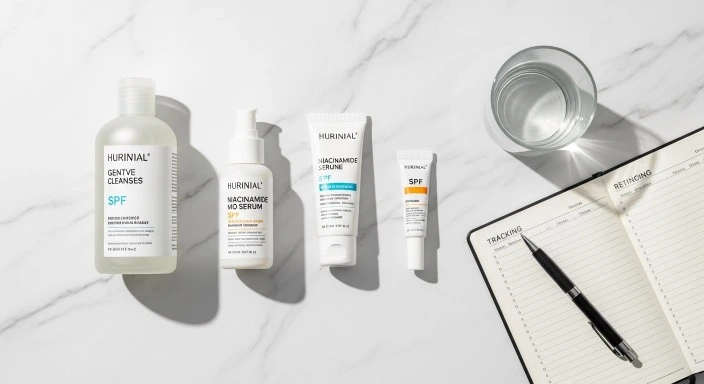
skincare routine for hormonal skin
If your skin seems to have a mind of its own—breaking out predictably before your period, staying clear for two weeks then suddenly erupting in painful cysts along your jawline, or reacting differently to the same products depending on where you are in your cycle—you’re dealing with hormonal skin.
And you’re far from alone. Hormonal skin doesn’t follow the same rules as other skin types. Products that work beautifully for your friend might make your skin worse. Routines that cleared your skin in your twenties might stop working in your thirties. And the breakouts that appear are often deep, painful, and stubborn—nothing like the surface blemishes that respond quickly to spot treatments.
The good news? Once you understand what hormonal skin actually needs, you can build a skincare routine that works with your hormones rather than fighting against them. This ultimate skincare routine for hormonal skin is designed to do exactly that—support your skin barrier, reduce inflammation, regulate oil production, and provide the specific active ingredients that target hormone-driven breakouts at their source.
This isn’t about buying every trending product or following a 12-step routine. It’s about understanding the core principles of hormonal skincare and implementing a realistic, effective routine you can actually maintain. At the end, you’ll find a printable guide to keep your routine simple and consistent.
Understanding Hormonal Skin: What Makes It Different
Hormonal skin is skin that responds visibly to fluctuations in your hormones—particularly androgens like testosterone, as well as estrogen and progesterone. These hormones influence sebum (oil) production, skin cell turnover, inflammation levels, and even how your skin barrier functions.
According to Aurora Health Care, hormonal acne is one of the most common skin concerns in adult women, affecting up to 50% of women in their twenties and 25% of women in their forties. Unlike teenage acne which tends to appear across the forehead and nose, hormonal acne typically clusters in the lower third of the face—the jawline, chin, and around the mouth.
What causes hormonal skin changes:
Your menstrual cycle creates predictable hormonal shifts. In the week before your period, progesterone rises while estrogen drops, triggering increased oil production and inflammation. Androgens (particularly DHT) can overstimulate sebaceous glands, leading to excess oil, clogged pores, and inflammatory acne. Stress elevates cortisol, which increases androgen production and worsens hormonal breakouts. Blood sugar spikes from processed foods and refined carbs trigger insulin surges, which in turn increase androgens.
Hormonal skin also tends to be more reactive and sensitive. The same hormonal fluctuations that trigger breakouts can compromise your skin barrier, making you more prone to irritation, redness, and sensitivity to products that previously felt fine.
Understanding this hormonal connection is the first step toward building a skincare routine that actually works. As we explored in our comprehensive guide on how to get rid of hormonal acne naturally, addressing hormonal skin requires both internal support (through diet, stress management, and lifestyle) and external support through targeted skincare. This article focuses specifically on the external routine.
The Core Principles of Hormonal Skincare
Before diving into specific products and routines, it’s essential to understand the principles that make hormonal skincare effective.
Principle 1: Barrier-first approach
Your skin barrier—the outermost layer of your skin—is your first line of defense against irritation, inflammation, and moisture loss. When hormones fluctuate, your barrier becomes more vulnerable. A compromised barrier leads to increased sensitivity, more inflammation, and ironically, often more oil production as your skin tries to compensate for moisture loss.
Hormonal skincare prioritizes barrier health above all else. This means using gentle cleansers, avoiding over-exfoliation, incorporating barrier-supporting ingredients like ceramides and niacinamide, and never stripping your skin in an attempt to control oil.
Principle 2: Anti-inflammatory focus
Hormonal acne is fundamentally inflammatory. The cascade of events that creates a hormonal breakout involves inflammatory signaling at multiple stages. This is why anti-inflammatory ingredients—both topical and dietary—are so effective for hormonal skin.
Your routine should include multiple anti-inflammatory touchpoints: gentle cleansing that doesn’t trigger inflammation, soothing ingredients like centella asiatica and green tea extract, niacinamide for its anti-inflammatory and sebum-regulating properties, and avoiding known irritants.
Principle 3: Targeted active ingredients
Hormonal skin benefits from specific active ingredients that address the unique challenges of hormone-driven breakouts. These include retinoids for cell turnover and pore-clearing, niacinamide for oil regulation and inflammation, azelaic acid for both acne and post-inflammatory hyperpigmentation, and salicylic acid for gentle exfoliation and pore clearing.
The key is introducing these actives gradually and strategically—not all at once, and not at the highest concentrations available. More is not better with hormonal skin.
Principle 4: Consistency over intensity
Hormonal skin responds best to gentle, consistent care over time—not aggressive treatments that promise fast results. The hormonal cycle that drives your breakouts operates on a roughly 28-day timeline. Meaningful improvement in hormonal skin typically takes 8-12 weeks of consistent care as you work through multiple hormonal cycles.
The Ultimate Morning Routine for Hormonal Skin
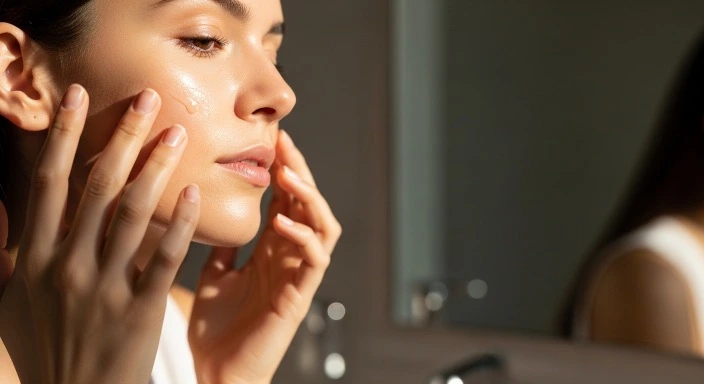
Your morning routine sets the tone for how your skin faces the day. For hormonal skin, the morning focus is on gentle cleansing, hydration, oil regulation, and protection.
Step 1: Gentle Cleanse
Start with a low-pH, gentle cleanser that removes overnight sebum and prepares your skin for the products that follow without stripping or irritating.
What to look for: A pH between 4.5-5.5 (close to your skin’s natural pH), mild surfactants like sodium cocoyl isethionate or decyl glucoside, and fragrance-free formulation. Gel cleansers work well for oilier hormonal skin, while cream cleansers suit combination or sensitive hormonal skin.
How to use: Wet your face with lukewarm water (never hot, which triggers inflammation and dilates capillaries). Apply a small amount of cleanser and massage gently for 30-60 seconds. Rinse thoroughly and pat dry with a clean towel.
Morning cleansing note: If your skin feels tight, dry, or irritated after morning cleansing, you may not need a cleanser at all in the morning—a simple water rinse or micellar water on a cotton pad may be sufficient. Listen to your skin.
Step 2: Treatment Toner or Essence (Optional but Beneficial)
A hydrating toner or essence creates a moisture cushion that helps subsequent products absorb more effectively while delivering its own beneficial ingredients.
What to look for: Hydrating ingredients like hyaluronic acid or beta-glucan, calming ingredients like centella asiatica or green tea extract, and niacinamide (if not using it in a separate serum).
How to use: Apply to clean, slightly damp skin using clean hands or a cotton pad. Pat gently to help absorption.
Step 3: Treatment Serum
This is where you apply your primary active ingredient for hormonal skin concerns.
Best morning serums for hormonal skin:
Niacinamide serum (5-10%) is the gold standard for hormonal skin. It regulates sebum production without drying, reduces inflammation, strengthens the skin barrier, fades post-inflammatory hyperpigmentation (those dark marks left after breakouts), and is well-tolerated even by sensitive skin.
Research published in the Journal of Cosmetic Dermatology found that topical niacinamide significantly reduced inflammatory acne lesions and sebum production over 8 weeks of use.
Vitamin C serum provides antioxidant protection against free radical damage and environmental stress, brightens skin tone and fades hyperpigmentation, and supports collagen production. Choose stable forms like L-ascorbic acid (10-20%) or gentler derivatives like sodium ascorbyl phosphate (3-5%) if you have very sensitive skin.
How to use: Apply 2-4 drops to your entire face, avoiding the immediate eye area. Pat gently to encourage absorption. Wait 30-60 seconds before applying moisturizer.
Step 4: Moisturizer
Even oily, hormonal skin needs moisture. When you skip moisturizer, your skin often compensates by producing more oil—exactly what you’re trying to avoid.
What to look for: Lightweight, non-comedogenic formulation, barrier-supporting ingredients like ceramides, cholesterol, and fatty acids, and anti-inflammatory ingredients like centella or allantoin.
Gel-creams work well for very oily skin. Light lotions suit most hormonal skin types. Avoid heavy creams unless your skin is genuinely dry.
How to use: Apply while skin is still slightly damp from your serum to lock in hydration. Use enough to cover your face and neck but not so much that skin feels greasy or tacky.
Step 5: Sunscreen (Non-Negotiable)
UV exposure worsens hormonal acne in multiple ways: it increases inflammation, darkens post-inflammatory hyperpigmentation significantly, triggers oil production in some skin types, and damages the skin barrier.
What to look for: Broad-spectrum protection (both UVA and UVB), SPF 30 minimum (SPF 50 preferred for very sunny climates or extended outdoor time), and non-comedogenic formulation specifically tested for acne-prone skin.
Mineral sunscreens (zinc oxide, titanium dioxide) tend to be better tolerated by very sensitive hormonal skin. Modern chemical sunscreens are also excellent if you don’t have sensitivities.
How to use: Apply as the final step of your morning routine. Use a full nickel-sized amount (about 1/4 teaspoon) for face and neck. Reapply every 2 hours if in direct sun.
According to the Skin Cancer Foundation, daily SPF use is the most effective anti-aging and skin health practice you can implement—more impactful than any serum or treatment.
The Ultimate Evening Routine for Hormonal Skin
Your evening routine is where the deeper treatment work happens. This is when you cleanse away the day’s SPF, oil, and environmental debris, then apply active ingredients that work overnight while your skin repairs itself.
Step 1: Double Cleanse
Double cleansing is particularly important for hormonal skin because it ensures complete removal of SPF, makeup, and sebum without harsh scrubbing.
First cleanse (oil-based): Use a cleansing oil or balm to dissolve oil-based impurities (SPF, makeup, excess sebum). Massage onto dry skin for 30-60 seconds, then rinse. Even oily, acne-prone skin benefits from oil cleansing—the right oils don’t cause breakouts and actually help regulate sebum production.
Second cleanse (water-based): Use your gentle morning cleanser to remove any remaining residue and water-based impurities.
Important: If you didn’t wear SPF or makeup, a single gentle cleanse is sufficient. Don’t over-cleanse just because it’s evening.
Step 2: Treatment Toner or Essence
Same as morning—a hydrating, calming layer that prepares skin for active treatments.
Step 3: Active Treatment
This is the most important step for targeting hormonal acne at its source. You have several excellent options—choose based on your specific skin concerns and tolerance.
Retinoid (Retinol or Prescription Tretinoin)
Retinoids are the gold standard for both acne treatment and anti-aging. They increase cell turnover, prevent clogged pores, reduce inflammation, fade hyperpigmentation, and improve overall skin texture.
For hormonal skin, retinoids are particularly valuable because they address the sluggish cell turnover that contributes to clogged pores during hormonal fluctuations.
How to start: Begin with a low concentration (0.25-0.5% retinol) 2-3 nights per week. Apply to completely dry skin (wait 20 minutes after cleansing). Use a pea-sized amount for your entire face. Gradually increase frequency as your skin adapts—this can take 8-12 weeks.
Important notes: Retinoids increase sun sensitivity—daily SPF is non-negotiable. Some purging (temporary increased breakouts) is normal in weeks 2-6 as retinoids accelerate cell turnover and bring underlying congestion to the surface. If you’re pregnant, trying to conceive, or nursing, avoid retinoids and use azelaic acid instead.
Azelaic Acid (10-20%)
Azelaic acid is an underrated powerhouse for hormonal skin. It has antibacterial properties that target acne-causing bacteria, reduces inflammation, fades hyperpigmentation exceptionally well, gently exfoliates, and is safe during pregnancy.
Research published in NIH found azelaic acid to be as effective as benzoyl peroxide and tretinoin for inflammatory acne, with better tolerability and lower irritation rates.
How to use: Apply to clean, dry skin every evening or every other evening if your skin is sensitive. A thin layer across your entire face is sufficient.
Niacinamide
If you didn’t use niacinamide in the morning, evening is an excellent time to apply it. It pairs well with most other actives and provides consistent sebum regulation and anti-inflammatory benefits.
BHA (Salicylic Acid)
For very clogged, congested hormonal skin, a leave-on BHA treatment (1-2% salicylic acid) applied 2-3 nights per week can help keep pores clear. Use on nights when you’re not using retinoids.
Layering note: If you want to use multiple actives, a safe combination is niacinamide serum followed by retinoid (or azelaic acid). Don’t use BHA and retinoid together on the same night—alternate them.
Step 4: Spot Treatment (If Needed)
For active breakouts, apply a targeted spot treatment after your active treatment layer has absorbed.
Effective spot treatment options: Benzoyl peroxide (2.5-5%), sulfur-based treatments, or hydrocolloid patches (particularly effective for extracting fluid from surface pustules and preventing picking).
Step 5: Moisturizer
Your evening moisturizer can be slightly richer than your morning one if your skin tolerates it, as there’s no concern about SPF layering or makeup application.
What to look for: Barrier-repairing ingredients (ceramides, cholesterol, fatty acids), soothing ingredients (centella, allantoin, panthenol), and occlusive ingredients (squalane, dimethicone) to seal in hydration overnight.
How to use: Apply generously to slightly damp skin. If you’re using a strong active treatment like tretinoin, some people prefer to apply moisturizer first, let it absorb, then apply the active (“buffering”). This reduces irritation while maintaining effectiveness.
Step 6: Facial Oil or Occlusive (Optional)
If your skin runs dry or you’re in a very dry climate, finishing with a few drops of facial oil (rosehip, squalane, marula) or a thin layer of an occlusive like Vaseline (especially around dry areas) can significantly improve overnight moisture retention.
Weekly and Monthly Additions for Hormonal Skin
Beyond your daily routine, a few weekly and cycle-based practices can significantly enhance results.
Weekly Treatments
Gentle exfoliating mask (1-2 times per week): A clay or enzyme-based mask helps decongest pores without over-stripping. Apply for 5-10 minutes, then rinse. Don’t let clay masks dry completely on your skin—this is too drying for hormonal skin.
Hydrating sheet mask or overnight mask: Once or twice weekly, give your skin a deep hydration boost with a sheet mask or sleeping mask rich in hyaluronic acid, ceramides, and soothing botanicals.
Professional-grade peel pads (optional): If your skin tolerates it, at-home peel pads with glycolic or lactic acid once weekly can help with texture and hyperpigmentation. Use on a night when you’re not using retinoids.
Cycle-Based Adjustments
One of the most powerful strategies for hormonal skin is adapting your routine to your menstrual cycle—a practice called cycle syncing.
Follicular phase (days 6-14, after period ends): Estrogen rises, skin tends to look clearer and more resilient. This is the best time to introduce new products, try stronger active concentrations, or add exfoliating treatments.
Ovulatory phase (around day 14): Estrogen peaks, skin often looks its best. Maintain your routine and enjoy the glow.
Luteal phase (days 15-28, before period): Progesterone rises, then both progesterone and estrogen drop in the final week. Oil production increases, inflammation rises, and breakouts become more likely. During this phase, be extra gentle with cleansing, increase anti-inflammatory ingredients, consider spot-treating areas prone to hormonal breakouts preemptively with a BHA or azelaic acid, and resist the urge to over-treat or pick at emerging breakouts.
Menstrual phase (days 1-5): Hormones are at their lowest. Skin may be extra sensitive. Focus on gentle care, barrier support, and hydration. This is not the time for aggressive treatments or trying new actives.
Tracking your skin alongside your cycle helps you anticipate and proactively address hormonal fluctuations rather than reacting to them after breakouts appear. This awareness alone significantly improves hormonal skin management.
Ingredients to Embrace and Ingredients to Avoid
Power ingredients for hormonal skin:
Niacinamide, retinoids (retinol, adapalene, tretinoin), azelaic acid, salicylic acid (BHA), zinc PCA, centella asiatica, green tea extract, ceramides and cholesterol (for barrier support), hyaluronic acid (for hydration), and panthenol (vitamin B5 for soothing).
Ingredients to approach cautiously or avoid:
Heavy oils like coconut oil (highly comedogenic for most people), fragrance (both synthetic and natural essential oils can irritate and trigger inflammation), alcohol denat or SD alcohol in high concentrations (drying and irritating), harsh physical scrubs (disrupt barrier and spread bacteria), and high concentrations of essential oils.
Testing new products: Always patch-test new products on a small area (behind your ear or on your jawline) for 48 hours before applying to your entire face. Introduce only one new product at a time so you can identify what works and what doesn’t.
Building Your Realistic Routine: Start Here
If this feels like a lot of information, here’s where to actually start. You don’t need to implement everything immediately—build gradually.
Absolute minimums (if you do nothing else, do this):
Morning: Gentle cleanse (or just water), moisturizer with SPF built in (or separate moisturizer and SPF)
Evening: Gentle cleanse, moisturizer
Essential routine (adds the most impact):
Morning: Gentle cleanse, niacinamide serum, moisturizer, SPF
Evening: Double cleanse, niacinamide or azelaic acid, moisturizer
Complete hormonal skin routine (full protocol):
Morning: Gentle cleanse, hydrating toner, vitamin C or niacinamide serum, moisturizer, SPF
Evening: Double cleanse, hydrating toner, retinoid or azelaic acid (alternating nights), spot treatment if needed, moisturizer
Weekly: One gentle exfoliating mask, one hydrating mask
Start with the essential routine. Master it for 4-6 weeks. Then add additional steps only if they genuinely improve your skin and fit into your life sustainably.
Lifestyle Support for Your Hormonal Skincare Routine
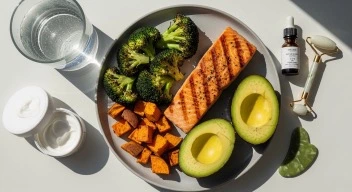
Even the perfect skincare routine will underperform if the internal environment isn’t supporting it. As we explored in depth in our 30-day glow up challenge, external care and internal care work synergistically.
Dietary support: Prioritize hormone-balancing foods like fatty fish, cruciferous vegetables, berries, and pumpkin seeds. Reduce refined sugar and dairy, which are strongly associated with worsening hormonal acne in many people.
Stress management: Chronic stress elevates cortisol, which increases androgen production and worsens hormonal breakouts. Daily stress management practices—even 5-10 minutes—make a measurable difference. Research from the American Psychological Association confirms that stress management interventions reduce inflammatory markers throughout the body, including in skin.
Sleep: Aim for 7-9 hours of quality sleep. Sleep is when your skin repairs itself and when cortisol resets to healthy baseline levels. Poor sleep directly worsens hormonal skin.
Hydration: Drink adequate water throughout the day. Chronically dehydrated skin produces more oil to compensate and has a more compromised barrier.
What to Expect: Realistic Timeline for Results
Managing expectations is essential for staying consistent with hormonal skincare.
Weeks 1-2: Your skin is adjusting. You may not see improvement yet. Some people experience temporary increased breakouts as actives begin working (this is called purging and is temporary). Focus on consistency and gentle care.
Weeks 3-4: Reduced inflammation and redness become noticeable. Existing breakouts may heal faster. Your skin barrier feels more resilient—less tightness, sensitivity, or reactivity.
Weeks 6-8: Fewer new breakouts appear, particularly if you’re tracking your cycle and adjusting care accordingly. Post-inflammatory hyperpigmentation begins fading. Skin texture starts improving.
Weeks 10-12+: This is when most people see the most significant improvement—fewer hormonal breakouts, faster healing, more even skin tone, and improved overall resilience. At this point, your routine should feel natural rather than effortful.
Hormonal skin management is genuinely a long game. The routines that work are the ones you can maintain for months and years—not the ones that promise dramatic results in two weeks.
Printable Quick Reference Guide
MORNING ROUTINE: ☐ Gentle cleanser (or water rinse) ☐ Hydrating toner (optional) ☐ Niacinamide or vitamin C serum ☐ Lightweight moisturizer ☐ SPF 30+
EVENING ROUTINE: ☐ Oil or balm cleanse (if wearing SPF/makeup) ☐ Gentle water-based cleanse ☐ Hydrating toner (optional) ☐ Active treatment (retinoid, azelaic acid, or BHA) ☐ Spot treatment (if needed) ☐ Moisturizer ☐ Facial oil (optional)
WEEKLY ADDITIONS: ☐ Gentle exfoliating mask (1-2x) ☐ Hydrating mask (1-2x)
CYCLE ADJUSTMENTS: ☐ Follicular (days 6-14): Try new products, stronger actives ☐ Luteal (days 15-28): Extra gentle care, increase anti-inflammatory support ☐ Menstrual (days 1-5): Maximum gentleness, focus on barrier support
POWER INGREDIENTS: Niacinamide • Retinoids • Azelaic Acid • Salicylic Acid • Ceramides • Centella Asiatica
The Bottom Line
The ultimate skincare routine for hormonal skin isn’t about buying the most expensive products or following the longest multi-step routine. It’s about understanding what your hormonally-influenced skin actually needs—gentle cleansing that doesn’t strip your barrier, consistent active ingredients that target the root causes of hormonal breakouts, anti-inflammatory support throughout your routine, and barrier-strengthening ingredients that keep your skin resilient through hormonal fluctuations.
Start simple. Master the basics. Add complexity only when it genuinely improves your results. Track your skin alongside your cycle to understand your unique patterns. And remember that consistency over months matters far more than perfection for a few weeks.
Your hormonal skin is communicating with you. When you learn its language and respond with the right care, it will absolutely respond with the clearer, calmer, more resilient glow you’re working toward.
Our Authority Sources
1. Aurora Health Care — Hormonal Acne
2. Journal of Cosmetic Dermatology — Niacinamide and Acne
3. Skin Cancer Foundation — Daily Sunscreen
4. NIH – Azelaic Acid Clinical Review
5. American Psychological Association — Stress and Physical Health