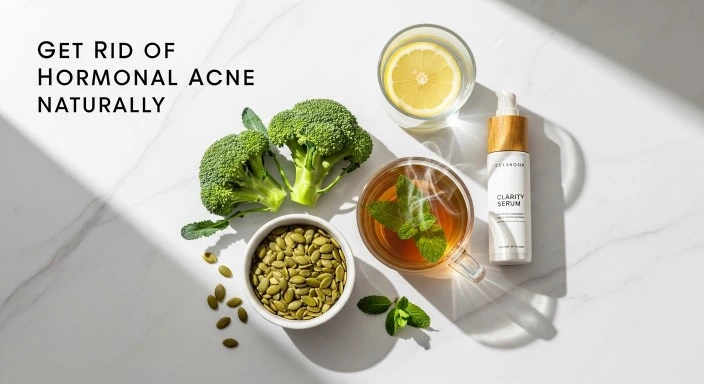
How to get rid of hormonal acne naturally
If you’ve ever dealt with breakouts that appear like clockwork around your period, or noticed deep, painful pimples clustering along your chin and jawline that just won’t respond to regular acne treatments, you’re likely dealing with hormonal acne.
It’s one of the most frustrating skin concerns because it doesn’t play by the same rules as other acne. You can have a meticulous skincare routine, drink plenty of water, and still wake up to a painful cyst right before an important event. That’s because the root cause isn’t just on the surface of your skin—it’s happening deep inside your body.
Learning how to get rid of hormonal acne naturally means understanding what’s actually driving those breakouts and addressing the underlying imbalances, not just managing symptoms. This guide walks you through exactly that—with evidence-aware, practical strategies you can begin implementing today.
This is not a quick-fix guide. It’s a calm, realistic roadmap for supporting your skin and hormones in a way that creates lasting results.
What Is Hormonal Acne and Why Does It Happen?
Hormonal acne is acne that is primarily driven by fluctuations or imbalances in your hormones, particularly androgens like testosterone and DHEA, as well as estrogen, progesterone, and cortisol.
These hormones influence how much oil (sebum) your skin produces, how quickly skin cells turn over, and how much inflammation is present in your body. When they’re out of balance, the conditions are ripe for breakouts.
According to the American Academy of Dermatology, hormonal acne is particularly common in adult women. Unlike teenage acne, which tends to appear across the forehead and nose (the T-zone), adult hormonal acne tends to cluster in the lower face—the chin, jawline, and neck. It often appears as deep, cystic lesions rather than surface-level whiteheads.
Common hormonal triggers include:
Fluctuations during your menstrual cycle, particularly in the week before your period when progesterone rises and estrogen drops. Elevated androgens, which can occur with polycystic ovary syndrome (PCOS), stress, or certain dietary patterns. Chronic stress, which elevates cortisol and in turn increases androgen production. Blood sugar imbalances, which spike insulin and stimulate androgen activity. Perimenopause and menopause, when shifting estrogen levels can trigger unexpected breakouts. Coming off hormonal birth control, which can unmask underlying hormonal imbalances.
Understanding your specific hormonal triggers helps you choose the most effective natural strategies. You may notice patterns in when your acne flares—tracking your skin alongside your cycle, stress levels, and dietary habits can be incredibly illuminating.
Why Natural Approaches Are Worth Exploring
Before diving into strategies, it’s worth acknowledging why many people seek natural approaches to hormonal acne.
Conventional treatments like oral contraceptives, spironolactone, and isotretinoin can be effective, but they come with side effects and aren’t suitable or desirable for everyone. Some people want to address root causes rather than suppress symptoms. Others are trying to conceive, are sensitive to medications, or simply prefer to start with lifestyle approaches before pursuing pharmaceutical options.
Natural strategies for hormonal acne work by addressing the root causes—balancing blood sugar, reducing inflammation, supporting hormone metabolism, and calming the stress response. These approaches don’t just improve your skin; they improve your overall wellbeing.
That said, natural doesn’t mean instant, and it doesn’t mean these approaches work for everyone in every situation. Severe hormonal acne sometimes requires medical intervention, and there’s no shame in that. The goal here is to give you a comprehensive toolkit of evidence-supported natural strategies so you can make informed choices about your own care.
How to Get Rid of Hormonal Acne Naturally: The Foundation
Balance Your Blood Sugar First
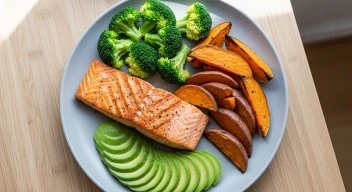
If you only make one dietary change for hormonal acne, let it be this: stabilize your blood sugar.
High-glycemic foods—refined carbohydrates, sugary drinks, white bread, processed snacks—cause rapid spikes in blood sugar. Your body responds by releasing insulin. Elevated insulin then stimulates the production of IGF-1 (insulin-like growth factor), which triggers excess sebum production and increases androgen activity. The result? More oil, more clogged pores, more breakouts.
Research published in the American Journal of Clinical Nutrition found that following a low-glycemic diet significantly reduced acne lesions and improved hormonal markers compared to a high-glycemic diet. Participants also experienced improvements in insulin sensitivity, which has broader benefits for hormonal health.
Practical steps for blood sugar balance:
Eat protein, healthy fat, and fiber at every meal. This combination slows glucose absorption and prevents insulin spikes. Replace refined carbohydrates with complex ones—sweet potatoes, quinoa, oats, and legumes. Avoid eating large amounts of sugar or refined carbs on an empty stomach. Limit sugary drinks, including fruit juice. Eat regular meals rather than skipping them, which can cause blood sugar crashes followed by reactive spikes. Consider adding apple cider vinegar (1-2 teaspoons diluted in water) before meals—some evidence suggests it helps improve insulin sensitivity, though research is still emerging.
You don’t need a perfect diet. Simply reducing the frequency and quantity of blood sugar spikes can make a meaningful difference in hormonal acne over time.
Reduce Dairy and High-Glycemic Foods
Beyond general blood sugar balance, dairy specifically deserves mention as a potential hormonal acne trigger.
Cow’s milk—even organic, hormone-free varieties—naturally contains hormones and growth factors including IGF-1 and androgens. These compounds can stimulate oil glands and contribute to acne for some people. Skim milk appears to be the most problematic, possibly because the fat removal concentrates certain proteins.
A systematic review in the Journal of the Academy of Nutrition and Dietetics found a significant positive association between dairy consumption and acne in observational studies, with the strongest association for skim milk.
This doesn’t mean everyone needs to eliminate dairy. Food sensitivities are highly individual. But if you’re struggling with persistent hormonal acne and consume dairy regularly, experimenting with a 4-6 week dairy elimination can provide useful information about whether it’s a trigger for you.
If you reduce dairy, consider:
Replacing cow’s milk with unsweetened almond, oat, or coconut milk. Getting calcium from leafy greens, sardines, tahini, almonds, and fortified plant milks. Monitoring your skin over at least four to six weeks before drawing conclusions. Reintroducing dairy slowly after the elimination period to assess your response.
Similarly, limiting processed foods high in refined sugars—chocolate (milk chocolate especially), chips, white bread, and fast food—can reduce overall acne burden. This isn’t about deprivation; it’s about noticing which foods consistently precede breakouts for your unique system.
Support Your Liver and Gut Health
Your liver and gut play crucial but often overlooked roles in hormonal acne. Here’s why they matter.
Your liver is responsible for metabolizing and eliminating excess hormones, including estrogen. When your liver is overburdened—by alcohol, processed foods, environmental toxins, or nutrient deficiencies—it can’t clear excess hormones efficiently. This leads to hormonal buildup that shows up in your skin.
Your gut microbiome influences hormonal balance through what researchers call the “estrobolome”—a collection of gut bacteria that help metabolize estrogen. When gut health is compromised, estrogen can be reabsorbed rather than excreted, contributing to estrogen dominance and hormonal imbalances that trigger breakouts.
Research published in Gut Microbes highlights the significant relationship between gut microbiome composition and skin conditions, including acne, through inflammatory and hormonal pathways.
Supporting liver health naturally:
Eat cruciferous vegetables (broccoli, Brussels sprouts, cauliflower, kale) several times per week. They contain compounds like DIM and indole-3-carbinol that support healthy estrogen metabolism. Limit alcohol, which diverts liver resources away from hormone processing. Stay hydrated to support toxin elimination. Include bitter foods like dandelion greens, rocket, and artichokes that gently stimulate bile flow and liver function. Consider milk thistle, an herb with well-documented liver-supporting properties—speak with a healthcare provider about appropriate use.
Supporting gut health:
Eat 25-35 grams of fiber daily from vegetables, fruits, legumes, and whole grains. Include fermented foods like yogurt, kefir, sauerkraut, kimchi, and miso for probiotic bacteria. Take a quality probiotic supplement if fermented foods aren’t a regular part of your diet. Reduce antibiotic use when possible and appropriate, as antibiotics disrupt gut microbiome diversity. Address digestive issues like bloating, constipation, or irregular bowel movements, as these can indicate problems with hormone elimination.
Manage Stress and Cortisol

Stress is one of the most significant drivers of hormonal acne, yet it’s often the last thing people address.
When you’re chronically stressed, your adrenal glands pump out cortisol—your primary stress hormone. Elevated cortisol signals your body to increase androgen production, which stimulates sebaceous glands and leads to excess oil and breakouts. Stress also increases inflammation throughout your body, making existing acne worse and slower to heal.
Many people notice their skin is clearest on vacations or during low-stress periods, then breaks out during stressful work periods or emotional upheaval. This is your body communicating the direct link between your stress response and your skin.
Research from Stanford University found that acne severity in students significantly increased during exam periods compared to lower-stress periods, with stress-induced sebum production identified as a primary mechanism.
Practical stress management strategies:
Establish a morning routine that begins your day in a grounded, intentional state rather than reactive chaos. Our article on morning routines for confidence walks you through this in detail. Practice daily relaxation techniques such as deep breathing, meditation, gentle yoga, or progressive muscle relaxation. Even 5-10 minutes daily makes a difference. Prioritize 7-9 hours of quality sleep. Poor sleep significantly elevates cortisol and worsens hormonal acne. Set meaningful boundaries around work, social obligations, and screen time to reduce chronic low-grade stress. Spend time in nature regularly. Research consistently shows that time outdoors reduces cortisol levels and supports overall nervous system regulation. Consider adaptogenic herbs like ashwagandha, rhodiola, or holy basil, which support your body’s stress response. These should be discussed with a healthcare provider, particularly if you have other health conditions or take medications.
Optimize Key Nutrients for Hormonal Skin
Several specific nutrients play important roles in hormone balance and acne prevention. Deficiencies in these nutrients can worsen hormonal skin issues.
Zinc is perhaps the most important mineral for acne-prone skin. It reduces inflammation, regulates sebum production, inhibits the growth of acne-causing bacteria, and helps regulate testosterone metabolism. Studies consistently show that people with acne have lower zinc levels than those with clear skin. Food sources include pumpkin seeds, oysters, beef, chickpeas, and cashews. As mentioned in our guide on hormone-balancing foods for glowing skin, pumpkin seeds are one of the most accessible zinc sources for daily use.
Omega-3 fatty acids reduce inflammation and support healthy hormone production. Fatty fish like salmon, sardines, and mackerel are excellent sources. For plant-based options, ground flaxseeds, chia seeds, and walnuts provide ALA, which converts to active omega-3s. Consider an algae-based omega-3 supplement if you don’t eat fish regularly.
Magnesium supports cortisol regulation, improves insulin sensitivity, and reduces inflammation. Many women are deficient in magnesium, which can worsen both stress and hormonal imbalances. Food sources include leafy greens, dark chocolate, avocado, nuts, seeds, and legumes. A magnesium glycinate supplement before bed can also improve sleep quality, which supports hormonal balance.
Vitamin D functions as a hormone in your body and plays a significant role in immune regulation and skin health. Deficiency is common, particularly in northern climates during winter months, and has been linked to inflammatory skin conditions including acne. Get your levels tested and supplement appropriately if deficient. Food sources include fatty fish, egg yolks, and fortified foods.
B vitamins, particularly B6, support progesterone production and help reduce androgen activity. Food sources include poultry, fish, potatoes, bananas, and chickpeas. B6 is sometimes included in PMS supplements for this reason.
Spearmint tea deserves special mention. Several studies have found that drinking two cups of spearmint tea daily can reduce testosterone levels in women with PCOS and hormonal acne. A clinical trial published in Phytotherapy Research found significant reductions in free testosterone and improvements in hormonal markers after 30 days of spearmint tea consumption. It’s an accessible, affordable, and pleasant addition to your daily routine.
Build a Gentle, Acne-Friendly Skincare Routine
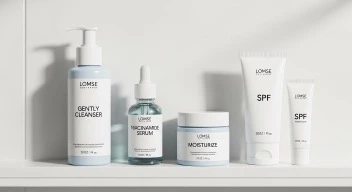
Even though hormonal acne originates internally, your external skincare routine can either support your healing or make things worse.
The most common mistake people make with hormonal acne is over-treating it. When you see a breakout, the instinct is to attack it with every acne-fighting product available. This approach strips your skin barrier, increases inflammation, and often makes breakouts more severe and longer-lasting.
Hormonal acne needs a gentle, consistent, skin-barrier-supporting routine, not aggressive treatment.
Morning routine for hormonal acne:
Cleanse with a gentle, low-pH cleanser that removes overnight sebum without stripping your skin. Look for ingredients like niacinamide, which regulates sebum production and reduces inflammation without irritation. Apply a lightweight, non-comedogenic moisturizer. Hydrated skin heals faster and produces less compensatory sebum than dry, stripped skin. Apply broad-spectrum SPF 30 or higher every morning. Sun exposure worsens post-inflammatory hyperpigmentation (the dark marks left after hormonal breakouts), making SPF essential for clear skin.
Evening routine for hormonal acne:
Double cleanse on days when you wear sunscreen or makeup—an oil cleanser followed by a gentle water-based cleanser. Apply active ingredients targeted to hormonal acne. The most evidence-supported topical options include retinoids (vitamin A derivatives), which regulate skin cell turnover and prevent clogged pores. Start with a gentle over-the-counter retinol 2-3 nights per week and build gradually. Niacinamide (5-10%) reduces oil production, calms inflammation, fades dark marks, and strengthens the skin barrier. It’s well-tolerated by most skin types, including sensitive skin. Azelaic acid gently unclogs pores, reduces acne-causing bacteria, and fades hyperpigmentation. It’s particularly beneficial for the dark marks that hormonal acne often leaves behind. Finish with your moisturizer to support skin barrier repair overnight.
Ingredients to avoid with hormonal acne:
Coconut oil and other highly comedogenic oils applied directly to acne-prone areas. Harsh physical scrubs that disrupt the skin barrier and spread bacteria. Alcohol-heavy toners that strip and irritate skin. Fragrance in leave-on products, which can trigger inflammation.
According to the American Academy of Dermatology, consistent use of non-comedogenic products and a simplified skincare approach is more effective for acne management than complex multi-step routines with multiple active ingredients.
Spot treatment for active breakouts:
For active cystic or nodular breakouts, benzoyl peroxide (2.5%) applied directly to the lesion can help reduce bacteria and inflammation. Ice applied for a few minutes several times daily can reduce swelling and pain in deep cysts. Avoid picking or squeezing cystic acne, which pushes inflammation deeper, worsens scarring, and significantly prolongs healing time.
Support Your Hormonal Cycle Intentionally

One of the most empowering approaches to hormonal acne is working with your cycle rather than against it—a concept called cycle syncing.
Your hormones shift significantly across your four menstrual cycle phases: menstrual, follicular, ovulatory, and luteal. Understanding how these shifts affect your skin allows you to anticipate breakouts and provide extra support during vulnerable phases.
During the follicular phase (days 6-14 after your period starts): Estrogen rises, skin typically looks clearer, and energy is higher. Focus on building healthy habits during this phase—this is a great time for more intensive exercise, social activities, and establishing new skincare or dietary practices.
During the ovulatory phase (around day 14): Estrogen peaks and testosterone briefly spikes. Some people notice a small pre-ovulatory breakout. Keep your routine consistent and ensure your liver and gut are well-supported to process the hormonal peak.
During the luteal phase (days 15-28): Progesterone rises then falls, and estrogen drops in the second half of this phase. This is when hormonal acne is most likely to appear. During this phase, pay extra attention to stress management, sleep, sugar intake, and gut support. This is not the time to try new skincare products or introduce new active ingredients. Increase anti-inflammatory foods and prioritize gentle movement over intense exercise.
During the menstrual phase (days 1-5): Hormones are at their lowest. Skin may be at its most sensitive. Focus on gentle skincare, nourishing foods, rest, and self-compassion. This is the phase for restorative practices rather than introducing anything new.
Tracking your cycle alongside your skin allows you to notice patterns and intervene proactively rather than reactively. Apps like Clue, Natural Cycles, or simply a paper journal can help you start making these connections.
Try Evidence-Supported Natural Supplements
Several natural supplements have meaningful evidence supporting their use for hormonal acne. These aren’t miracle cures, but when used consistently as part of a comprehensive approach, they can make a real difference.
Always consult with a healthcare provider before starting new supplements, especially if you have existing health conditions or take medications.
DIM (Diindolylmethane): A compound derived from cruciferous vegetables that supports healthy estrogen metabolism. DIM helps your body produce beneficial estrogen metabolites rather than harmful ones, which can reduce estrogen-driven hormonal acne. Typical doses range from 100-300mg daily. Some people experience a temporary breakout when first starting DIM as hormones recalibrate.
Vitex (Chaste Tree Berry): An herb with a long history of use for hormonal regulation. Research suggests vitex helps balance the ratio of progesterone to estrogen and may reduce PMS symptoms including hormonal acne. It typically takes 3-6 months of consistent use to see results. It’s not appropriate for everyone, particularly those with hormone-sensitive conditions or taking certain medications.
Saw Palmetto: An herb that inhibits 5-alpha reductase, an enzyme that converts testosterone to its more potent form DHT. By reducing DHT activity, saw palmetto may decrease oil production and hormonal acne. It’s commonly used for androgenic hair loss as well.
Berberine: A compound found in several plants that has significant evidence for improving insulin sensitivity. Since insulin resistance is a major driver of hormonal acne, berberine may benefit those whose acne is connected to blood sugar dysregulation. It has effects comparable to metformin in some studies, so medical supervision is important.
Probiotics: Specific probiotic strains support gut health and reduce systemic inflammation, both of which influence hormonal acne. Look for multi-strain probiotics including Lactobacillus and Bifidobacterium species. Consistent daily use for at least 8-12 weeks is needed to assess effectiveness.
Reduce Environmental Hormone Disruptors
Endocrine-disrupting chemicals (EDCs) found in everyday products can interfere with your hormonal balance and potentially worsen hormonal acne. While it’s impossible to eliminate all exposure, reducing your most significant sources is a worthwhile and meaningful step.
The Endocrine Society identifies several common EDCs including BPA (found in some plastics), phthalates (found in many synthetic fragrances and plastics), parabens (found in some personal care products), and pesticide residues.
Practical steps to reduce EDC exposure:
Store food in glass, stainless steel, or ceramic containers rather than plastic, especially for hot foods and liquids. Avoid heating food in plastic containers. Choose personal care products—skincare, shampoo, body wash, deodorant—with cleaner ingredient profiles. Look for products free of parabens, synthetic fragrance, and phthalates. Choose organic produce for the most heavily sprayed fruits and vegetables (the “Dirty Dozen” list is a useful reference). Filter your drinking water with a quality filter that removes common contaminants. Use natural cleaning products when possible, or simply use diluted vinegar and baking soda for most household cleaning tasks.
These changes don’t need to happen all at once. A gradual transition toward cleaner products over time is both sustainable and effective.
What to Expect: A Realistic Timeline
Natural approaches to hormonal acne work, but they require patience. Here’s what a realistic healing timeline looks like.
Weeks 1-4: You’re establishing new habits. You may not see significant skin changes yet, and in some cases skin can temporarily worsen as dietary changes shift gut bacteria or as the liver begins processing hormones more actively. This is normal. Focus on consistency rather than results.
Weeks 4-8: Many people begin noticing improvements—fewer new breakouts, less severity during the premenstrual week, existing acne healing faster. Blood sugar stabilization and reduced dairy consumption often show results in this window.
Months 2-3: More consistent improvement becomes visible. Your hormonal cycle may feel more regulated, and the predictable premenstrual breakouts may be less severe. Supplement effects, particularly vitex, may begin showing results in this timeframe.
Months 3-6: This is when the most significant and lasting changes typically occur. Your gut microbiome has had time to shift, your liver is functioning more efficiently, and your cortisol patterns have improved with consistent stress management practices.
Beyond 6 months: Continued improvement and maintenance. Most people find that once hormonal balance is established through these lifestyle practices, they need less active effort to maintain clear skin—the habits simply become part of their normal way of living.
Be patient and compassionate with your body. Hormonal healing is not linear. You may still have occasional breakouts, especially around your cycle, but the goal is improvement and manageability, not perfection.
When to Seek Professional Help
Natural approaches can be genuinely effective for mild to moderate hormonal acne, but sometimes professional support is needed—and that’s completely okay.
Consider speaking with a healthcare provider if your hormonal acne is severe, cystic, or causing significant scarring. You have other symptoms suggesting a hormonal condition like PCOS, including irregular cycles, excess facial hair, or weight changes. Your acne is significantly impacting your mental health, self-esteem, or quality of life. Natural approaches haven’t produced meaningful improvement after 4-6 months of consistent effort. You’re experiencing hormonal symptoms beyond acne that warrant investigation.
A dermatologist can assess your skin and recommend appropriate topical or oral treatments. A gynecologist or endocrinologist can investigate underlying hormonal conditions. A registered dietitian can help you create a personalized nutrition plan for hormonal health. A naturopathic doctor or functional medicine practitioner may take a comprehensive approach combining dietary, lifestyle, and targeted supplement strategies.
These professionals aren’t at odds with natural approaches—they often complement each other beautifully. Getting a proper hormonal panel to understand your specific imbalances can make your natural approach significantly more targeted and effective.
Building Your Natural Hormonal Acne Protocol
To bring everything together, here is a simplified framework for your natural hormonal acne approach.
Daily non-negotiables: Eat balanced, blood sugar-stabilizing meals with protein, fat, and fiber. Drink adequate water throughout the day. Follow your gentle skincare routine morning and night. Get 7-9 hours of sleep. Practice at least 5-10 minutes of intentional stress management.
Weekly practices: Include fatty fish or omega-3 sources 2-3 times per week. Eat cruciferous vegetables at least 4-5 times per week. Move your body gently most days. Drink 2 cups of spearmint tea daily. Review your cycle tracking and adjust self-care for your current phase.
Monthly practices: Review how your skin correlated with your cycle. Assess whether dietary patterns (dairy, sugar, stress eating) may have contributed to breakouts. Evaluate supplement consistency and effectiveness. Notice whether lifestyle habits are sustainable and adjust where needed.
The Bottom Line
Learning how to get rid of hormonal acne naturally is less about finding the perfect product and more about understanding and supporting your body as a whole system. Your skin is communicating something about your internal environment—and listening to that communication with curiosity rather than frustration is the first step toward real, lasting change.
The strategies in this guide—balancing blood sugar, supporting your liver and gut, managing stress, optimizing key nutrients, building a gentle skincare routine, working with your cycle, and reducing hormone disruptors—address the root causes of hormonal acne rather than just its surface symptoms.
This approach takes time and consistency. But it also builds something much more valuable than clear skin: it builds a foundation of whole-body health, hormonal literacy, and self-care that benefits every area of your life.
Be patient with your body. Trust the process. And remember that your skin’s journey toward balance is exactly that—a journey, not a destination. Every small, consistent step you take is moving you in the right direction.
Our Authority Sources
American Academy of Dermatology – Hormonal acne is particularly common in adult women
American Journal of Clinical Nutrition – Effect of a Low-Glycemic-Load Diet and Dietary Counseling on Acne
Journal of the Academy of Nutrition and Dietetics – The effect of milk consumption on acne
National Library of Medecine – Potential Role of the Microbiome in Acne: A Comprehensive Review
PUB- MED – The Response of Skin Disease to Stress
American Academy of Dermatology – Issues updated guidelines for the management of acne