
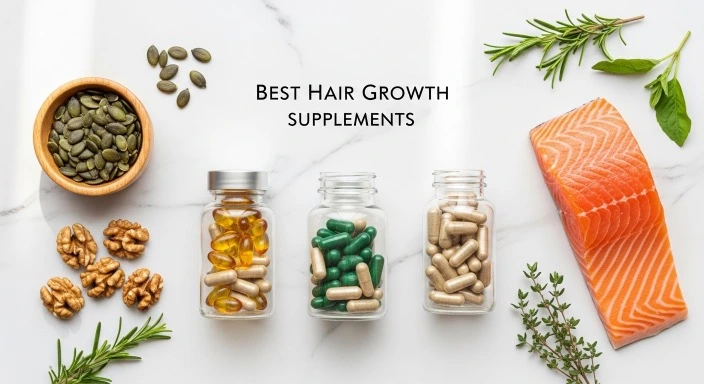
Best hair growth supplements
If you’ve noticed more hair in your brush lately, or your ponytail feels thinner than it used to, you’re not alone. Hair thinning and slow growth are among the most common concerns women bring up when talking about their overall wellness—and for good reason. Your hair is deeply connected to your nutritional status, hormonal balance, stress levels, and overall health.
The supplement market is flooded with products promising longer, thicker, faster-growing hair. Most of them overpromise and underdeliver. But some supplements genuinely do support hair growth—when the right deficiencies or imbalances are present, when quality ingredients are used at effective doses, and when expectations are realistic.
This guide cuts through the noise. You’ll find an honest, research-aware look at the best hair growth supplements available in 2026, what the science actually says about each one, how to choose what’s right for your specific situation, and what realistic results look like.
No miracle claims. No pressure. Just clear, trustworthy information to help you make an informed decision.
Why Hair Growth Slows Down in the First Place
Before reaching for supplements, it helps to understand what’s actually causing your hair concerns. Supplements work best when they’re addressing a genuine underlying issue—not as a blanket solution.
Common causes of hair thinning and slow growth include:
Nutritional deficiencies are among the most common and correctable causes. Iron, ferritin (stored iron), zinc, vitamin D, and B vitamins are the most frequently implicated. Even a mild deficiency in any of these can slow hair growth or trigger shedding.
Hormonal imbalances, particularly elevated androgens (like DHT), thyroid dysfunction, and the hormonal shifts of perimenopause and menopause, directly affect hair follicle health. As we discussed in our guide on how to get rid of hormonal acne naturally, hormonal shifts affect far more than just skin—they influence hair quality and growth cycles significantly.
Chronic stress elevates cortisol, which disrupts the hair growth cycle and can trigger a condition called telogen effluvium—a type of diffuse shedding that occurs 2-4 months after a stressful event or period. This is why stress-related hair loss often seems delayed and confusing.
Poor scalp health, including inflammation, dandruff, or insufficient circulation, limits the environment available for healthy follicle function. What you eat, how you sleep, and how you manage stress all influence your scalp just as they influence your skin.
Postpartum hormonal changes are a very common trigger, causing significant shedding for many women in the 3-6 months after birth as estrogen levels rapidly decline.
Understanding which category applies to you shapes which supplements are likely to help. This is worth discussing with a healthcare provider if you’re unsure—a simple blood panel can identify nutritional deficiencies and thyroid issues that dramatically change your approach.
What Makes a Hair Growth Supplement Actually Work?
Not all supplements are created equal, and this matters enormously when you’re choosing products for hair health.
The National Institutes of Health Office of Dietary Supplements notes that supplements are not regulated with the same rigor as pharmaceutical drugs. Quality, purity, and actual ingredient doses vary significantly between brands.
When evaluating hair growth supplements, look for these markers of quality and effectiveness: third-party testing certification (USP, NSF International, or Informed Sport), transparent ingredient labels with specific doses, clinically relevant doses of each ingredient (not just a proprietary blend), research backing for the specific ingredients included, and a reputable manufacturer with good manufacturing practices (GMP) certification.
Be appropriately skeptical of supplements that include long lists of ingredients in very small quantities—this is often “pixie dusting,” where trace amounts of many impressive-sounding ingredients are included without reaching effective doses.
The Best Hair Growth Supplements: Key Ingredients That Are Worth Your Attention
1. Iron and Ferritin Support
Iron deficiency—and specifically low ferritin (stored iron)—is one of the most common and most overlooked causes of hair loss in women. Many women have ferritin levels that fall within the “normal” lab reference range but are still too low to support optimal hair growth.
Research published in the Journal of Korean Medical Science found that low ferritin levels were significantly associated with non-scarring hair loss in women, even when hemoglobin levels were normal (meaning standard anemia testing wouldn’t catch it). Many hair researchers now suggest that ferritin levels ideally should be above 70 ng/mL for optimal hair growth, though standard lab ranges often consider anything above 12-15 ng/mL as “normal.”
If you suspect iron deficiency, get your ferritin specifically tested—not just iron or a standard CBC. This requires a specific request to your doctor.
What to look for in an iron supplement:
Iron bisglycinate (also called ferrous bisglycinate or iron chelate) is the most bioavailable and best-tolerated form, causing significantly less digestive upset than ferrous sulfate. Look for supplements that also include vitamin C, which enhances iron absorption.
Take iron supplements away from calcium-rich foods, coffee, tea, and other supplements (including zinc) as these can inhibit absorption. Taking iron with a small amount of vitamin C-rich food (like a small glass of orange juice) increases uptake.
Important caution: Don’t supplement iron without first testing your levels. Iron overload is possible and harmful. Always supplement under the guidance of a healthcare provider.
2. Biotin (Vitamin B7)
Biotin is probably the most widely marketed ingredient in hair growth supplements—but the reality is more nuanced than most brands suggest.
Biotin is genuinely essential for hair health. It plays a key role in keratin production, and biotin deficiency does cause hair loss and brittle nails. However, true biotin deficiency is actually relatively rare in people eating a varied diet. Most people already have adequate biotin levels.
According to the NIH Office of Dietary Supplements, there is limited evidence that biotin supplementation improves hair growth in people who are not deficient. Many of the dramatic “before and after” results you see associated with biotin supplements may reflect correction of a pre-existing deficiency—or simply the passage of time.
That said, biotin is safe at standard supplement doses, water-soluble (excess is excreted), and may be beneficial if your dietary intake is low or if you have certain genetic variations affecting biotin metabolism.
What to know about biotin supplementation:
Standard effective doses are typically 2,500-5,000 mcg (or 2.5-5 mg) daily. Higher doses (10,000 mcg or more) have not been shown to provide additional benefit and can interfere with certain lab tests, particularly thyroid function tests and troponin tests. If you supplement high-dose biotin, always inform your doctor before bloodwork.
Food sources of biotin include eggs (particularly egg yolks), organ meats, salmon, sunflower seeds, and sweet potatoes.
3. Zinc
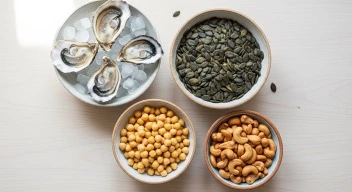
Zinc plays a crucial role in hair follicle health, protein synthesis, and the regulation of hair growth cycles. It also inhibits 5-alpha reductase, the enzyme that converts testosterone to DHT—the androgen most directly linked to androgenic hair loss.
As highlighted in our hormone-balancing foods guide, zinc is one of the most important minerals for both skin and hair health, and deficiency is more common than most people realize.
Studies consistently show that people experiencing hair loss have lower zinc levels than those without hair loss. A 2023 meta-analysis in Dermatology and Therapy found that zinc supplementation significantly improved hair density in individuals with documented zinc deficiency.
What to look for in a zinc supplement:
Zinc picolinate and zinc bisglycinate are the most bioavailable forms. Zinc citrate is also well-absorbed. Avoid zinc oxide, which has poor bioavailability.
Standard dosing for hair support is typically 15-30 mg of elemental zinc daily. Don’t exceed 40 mg daily without medical supervision, as high doses can interfere with copper absorption over time. If you supplement zinc long-term, consider a supplement that includes a small amount of copper (1-2 mg) to maintain balance.
Take zinc with food to reduce the chance of nausea. Avoid taking it alongside iron supplements as they compete for absorption.
4. Vitamin D
Vitamin D receptors are present in hair follicles, and vitamin D plays a role in creating new follicles and supporting the hair growth cycle. Deficiency has been associated with alopecia areata (an autoimmune hair loss condition) and telogen effluvium.
Research published in Skin Pharmacology and Physiology found low vitamin D levels to be significantly more common in women with hair loss compared to controls, suggesting that correcting deficiency may support hair regrowth.
Vitamin D deficiency is extremely common, particularly in northern latitudes during winter months, in people with limited sun exposure, and in those with darker skin tones. Getting your vitamin D level tested (the 25-OH vitamin D blood test) is one of the most worthwhile investments you can make for your overall health, including hair health.
What to look for:
Vitamin D3 (cholecalciferol) is the preferred form—it’s more effective at raising blood levels than D2. Look for supplements that combine D3 with K2 (menaquinone-7 or MK-7), as vitamin K2 helps direct calcium properly and supports the broader system vitamin D influences.
Dosing depends on your current levels—this is genuinely a case where “more is better” doesn’t apply. Common maintenance doses are 1,000-2,000 IU daily, but deficient individuals may need higher doses under medical supervision. Get retested after 3-4 months of supplementing to check your levels.
5. Collagen Peptides
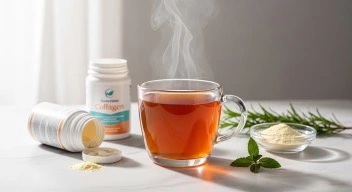
Collagen is the most abundant protein in your body and provides structural support to hair follicles. As we age, collagen production naturally declines, which can affect not just skin elasticity but also the structural integrity of the scalp and follicle environment.
Collagen peptides (hydrolyzed collagen) contain amino acids—particularly glycine, proline, and hydroxyproline—that support keratin production and the extracellular matrix surrounding hair follicles. They also act as antioxidants, helping protect follicle cells from free radical damage.
A clinical trial published in the Journal of Cosmetic Dermatology found that women who took hydrolyzed collagen peptides for 6 months showed significant improvements in hair thickness, scalp coverage, and hair quantity compared to placebo.
What to look for:
Marine collagen peptides (from fish) have been shown in studies to have slightly higher bioavailability than bovine collagen. However, bovine collagen contains more of the type I and III collagen most relevant to hair and skin. Both are good options—choose based on dietary preferences and any sensitivities.
Look for products that are third-party tested for heavy metals, particularly marine collagen. A dose of 5-10 grams daily is typically used in research. Collagen peptides are easy to add to morning coffee, smoothies, or oatmeal as they’re unflavored and dissolve easily.
6. Saw Palmetto
Saw palmetto is a plant extract with meaningful evidence for androgenic hair loss—the type driven by DHT sensitivity in hair follicles.
It works by inhibiting 5-alpha reductase, reducing the conversion of testosterone to DHT. This is the same mechanism as the pharmaceutical drug finasteride, though with considerably weaker and more variable effects.
A study published in the Medical News Today found that 38% of men with androgenic hair loss who took saw palmetto showed hair growth improvement. Research in women is more limited but promising, particularly for those with polycystic ovary syndrome (PCOS) or other androgen-excess conditions.
What to look for:
Look for standardized extracts containing 85-95% fatty acids and sterols—this is the active fraction. Typical doses range from 160-320 mg daily. Saw palmetto is fat-soluble, so take it with a meal containing healthy fat for better absorption.
It’s important to mention saw palmetto to your healthcare provider if you take hormonal medications, blood thinners, or have hormone-sensitive conditions.
7. Silica (Horsetail Extract)
Silica is a trace mineral that plays a role in collagen synthesis and the structural strength of hair strands. While the research base is smaller than some other ingredients, silica has been used in European hair and nail supplements for decades with a reasonable safety record.
Bamboo extract and horsetail extract are common plant-based sources of silica in supplements. Some evidence suggests that supplemental silica can improve hair strand diameter and tensile strength—meaning hair that’s less prone to breakage, which contributes to perceived thickness and length retention.
What to look for:
Horsetail-derived silica is the most common and well-studied plant source. Look for products that specify the silica content rather than just listing horsetail as an ingredient. Take with adequate water as silica requires good hydration to work effectively.
8. Ashwagandha
Ashwagandha may not be the first ingredient you think of for hair growth—but its role in stress reduction and cortisol management makes it highly relevant for stress-related hair loss.
As we explored in our morning routine for confidence article, chronic stress is one of the most significant drivers of hormonal disruption, and this includes the hormonal disruption that triggers telogen effluvium and slows hair growth.
Ashwagandha is an adaptogenic herb with robust evidence for reducing cortisol levels and improving the body’s stress response. A 2019 double-blind, randomized controlled trial published in Medicine found that ashwagandha root extract significantly reduced perceived stress, cortisol levels, and improved overall wellbeing compared to placebo.
By reducing the cortisol burden that disrupts hair growth cycles, ashwagandha can support an internal environment more conducive to healthy hair growth. It also supports thyroid function, which directly influences hair health.
What to look for:
KSM-66 and Sensoril are two proprietary ashwagandha extracts with the most clinical research behind them. Standard doses are typically 300-600 mg of a root extract daily. Start at the lower end to assess tolerability. Ashwagandha is generally not recommended during pregnancy.
Top Hair Growth Supplement Combinations Worth Considering in 2026
Rather than listing specific branded products (which change formulations and availability), here are the ingredient combinations that make the most sense for different hair concerns:
For nutritional deficiency-related hair loss: Iron bisglycinate + vitamin C, vitamin D3/K2, zinc picolinate, and a quality B-complex form a strong foundational protocol for those with documented deficiencies.
For hormonal or androgenic hair thinning: Saw palmetto, zinc, DIM (diindolylmethane), and ashwagandha address multiple hormonal pathways that contribute to androgenic hair loss. This stack is particularly relevant for women with PCOS or perimenopausal hair changes.
For stress-related shedding (telogen effluvium): Ashwagandha, a B-complex, magnesium glycinate, and collagen peptides provide stress support, nervous system nourishment, and structural building blocks to support recovery from stress-induced shedding.
For general hair thickness and quality: Collagen peptides, biotin (if deficiency is possible), silica, and omega-3 fatty acids support hair strand strength, follicle environment, and overall hair quality.
How to Get the Most from Hair Growth Supplements
Taking supplements is only part of the equation. Here’s how to maximize their effectiveness:
Test before you supplement. For iron, ferritin, vitamin D, zinc, and thyroid hormones, getting baseline blood levels gives you a roadmap. You’ll know which deficiencies to address, avoid supplementing unnecessarily, and have a baseline to compare after 3-6 months.
Give it time. Hair grows approximately half an inch per month. New hair growth that starts at your follicles today won’t be visible for weeks. Most supplements need at least 3-6 months of consistent use before meaningful results are visible. Patience is not optional—it’s part of the process.
Support from the inside out. Supplements work best as part of a broader approach. The hormone-balancing foods you eat, your sleep quality, stress management practices, and scalp care all influence how well supplements work. No supplement fully compensates for chronic sleep deprivation, a highly processed diet, or unaddressed chronic stress.
Don’t try everything at once. If you start multiple new supplements simultaneously, you won’t know what’s working. Consider starting 1-2 supplements, assessing after 8-12 weeks, then adding others if needed.
Be realistic about outcomes. Hair growth supplements can meaningfully support hair health when deficiencies or imbalances are present. They are less likely to dramatically grow hair in people who already have optimal nutritional status. Managing expectations protects you from disappointment and helps you evaluate results honestly.
What to Look for on Labels: A Quick Reference
When reading supplement labels for hair growth products, here are the key things to check:
Forms of each ingredient matter. Iron bisglycinate is better than ferrous sulfate. Zinc picolinate or bisglycinate is better than zinc oxide. Vitamin D3 is better than D2. Methylated B vitamins (methylfolate, methylcobalamin) are better absorbed than non-methylated forms, particularly for those with MTHFR gene variants.
Dose matters. A supplement containing 1 mg of zinc won’t do much. A supplement with 15 mg of zinc picolinate is meaningfully different. Always check the Supplement Facts panel for actual elemental amounts.
Third-party testing seals. Look for NSF Certified for Sport, USP Verified, or Informed Sport certification. These mean an independent organization has verified the product contains what it says and nothing harmful.
Avoid unnecessary fillers and allergens. Clean supplements should have minimal excipients. Watch for unnecessary additives, artificial colors, and common allergens like gluten, soy, or dairy if you have sensitivities.
Proprietary blends are red flags. When a label lists a “proprietary blend” with a total weight but no individual ingredient amounts, you can’t assess whether any ingredient is present at an effective dose.
Scalp and Lifestyle Habits That Amplify Supplement Results

Supplements support hair growth from the inside—but the outside environment matters too.
Scalp massage has emerging evidence for improving hair thickness. A pilot study in ePlasty found that 4 minutes of daily standardized scalp massage over 24 weeks increased hair thickness, possibly by stretching dermal papilla cells and stimulating circulation. It’s free, relaxing, and easy to build into your shower routine.
Gentle hair handling reduces mechanical breakage that makes hair appear thinner. Avoid tight hairstyles that create traction, minimize heat styling or use heat protectant consistently, use a wide-tooth comb on wet hair, and sleep on a silk or satin pillowcase to reduce friction.
Scalp health is directly linked to follicle health. Keep your scalp clean and free of product buildup. If you experience dandruff or scalp inflammation, address these proactively—a healthy scalp is a prerequisite for healthy hair growth.
Nutrition beyond supplements. Adequate protein is essential for hair growth—hair is primarily made of keratin, a protein. Aim for at least 0.8-1 gram of protein per kilogram of body weight daily. Iron-rich foods, omega-3 sources, and zinc-rich foods (like the ones covered in our article on hormone-balancing foods for glowing skin) all contribute to the nutritional foundation your hair needs.
When to See a Doctor About Hair Loss
Natural supplements and lifestyle approaches can be genuinely helpful for many types of hair thinning—but some situations warrant professional evaluation before or instead of self-supplementing.
See a dermatologist or your primary care provider if you notice sudden or rapid hair loss, patchy hair loss (which may indicate alopecia areata), hair loss accompanied by other symptoms like fatigue, weight changes, or irregular periods, hair loss that seems to be worsening despite lifestyle improvements, or visible scalp changes like redness, scaling, or scarring.
A dermatologist can perform a scalp examination and potentially a scalp biopsy to identify the specific type of hair loss, which dramatically changes treatment recommendations. Blood tests to check thyroid function (TSH, free T3, free T4), iron and ferritin, vitamin D, zinc, and complete blood count can identify correctable underlying causes.
According to the American Academy of Dermatology, many types of hair loss are treatable when identified correctly and early. Getting professional guidance is an act of self-care, not a last resort.
A Realistic Timeline for Hair Growth Supplements
Here’s what to expect when you begin a hair growth supplement protocol:
Weeks 1-4: Building nutrient levels in your body. You likely won’t see hair changes yet, but your body is beginning to correct deficiencies or support hormonal processes that influence hair growth. Some people notice improved nail strength in this early period, which is a good sign that the supplements are absorbing.
Weeks 4-8: Reduced shedding is often the first noticeable change. Less hair in the shower drain or on your brush suggests that hair growth cycles are stabilizing. This is an encouraging early sign even before new growth is visible.
Months 2-4: New hair growth may become visible, particularly along the hairline or as shorter hairs throughout the scalp. Hair strands may feel stronger and look shinier as nutritional status improves.
Months 4-6: More significant changes in thickness, density, and overall hair quality. Existing hair that grew during the supplementation period has had time to reach visible length.
Month 6 and beyond: The most dramatic visible changes occur in this window and beyond. Hair that was in the early growth phase at the start of supplementation has now grown several inches. Consistent supplementation and lifestyle support continue to yield improvements.
The Bottom Line
The best hair growth supplements aren’t miracle pills—they’re targeted nutritional support that works best when you understand what’s actually causing your hair concerns and choose ingredients accordingly.
Iron and ferritin support, vitamin D, zinc, biotin (when deficient), collagen peptides, saw palmetto (for androgenic concerns), and ashwagandha (for stress-related loss) have the strongest evidence bases among hair growth supplements available in 2026. Quality matters enormously—choosing third-party tested products at clinically relevant doses separates supplements that actually work from marketing-heavy products that fall short.
The most effective approach combines targeted supplementation with the nutritional, hormonal, and lifestyle foundations your hair follicles need to thrive. This means eating enough protein and iron-rich foods, managing stress consistently, supporting hormonal balance, and giving your scalp the care and circulation it deserves.
Your hair health is a reflection of your overall health. When you nourish your body thoughtfully and address root causes with patience, your hair will respond—just on its own timeline.
Here are the Authority Sources for the Best Hair Growth Supplements article, ready to add as a dedicated section at the bottom of your post (before the metadata):
Our Authority Sources
The information in this article is supported by peer-reviewed research, clinical studies, and guidance from trusted medical and scientific organizations. Below are the primary sources referenced throughout this guide.
1. National Institutes of Health (NIH) — Office of Dietary Supplements Biotin Fact Sheet for Health Professionals
2. National Institutes of Health (NIH) — Office of Dietary Supplements Full Supplement Fact Sheet Library (Iron, Zinc, Vitamin D, and more)
3. Journal of Korean Medical Science Serum Ferritin and Hair Loss in Women
4. Skin Pharmacology and Physiology — Karger Publishers Vitamin D and Hair Loss Association in Women
5. Medicine Journal (Wolters Kluwer) — Double-Blind RCT Ashwagandha Root Extract for Stress and Cortisol Reduction
6. ePlasty — Open Access Journal of Plastic Surgery Scalp Massage and Hair Thickness Pilot Study 🔗
7. American Academy of Dermatology (AAD) Hair Loss: Causes, Diagnosis, and Treatment 🔗
8. Journal of Cosmetic Dermatology — Wiley Hydrolyzed Collagen Peptides and Hair Growth Clinical Trial