
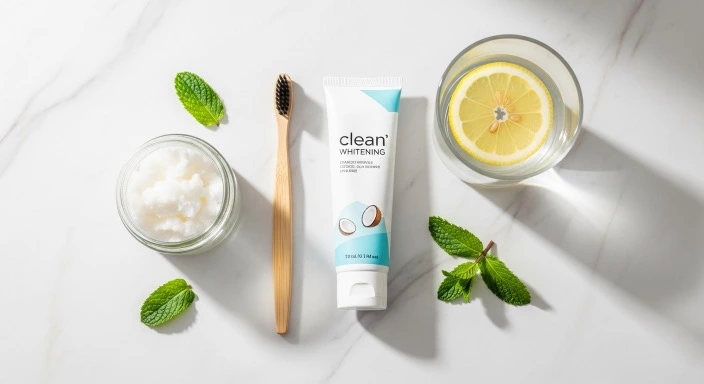
Teeth whitening at home
Your smile is one of the first things people notice about you. When you feel confident about it, you carry yourself differently—you laugh more freely, speak more openly, and show up with a little more ease in the world. But when your teeth feel less than their best, that self-consciousness can quietly dim your confidence in ways you might not even fully realize.
Teeth whitening at home has become one of the most searched personal care topics in 2026—and for good reason. Professional whitening treatments can cost hundreds of dollars per session, require multiple appointments, and still leave some people with sensitivity that lingers for days. Meanwhile, the at-home options have improved dramatically over the past few years, with more evidence-backed methods and better-formulated products available than ever before.
This guide cuts through the overwhelming number of options to give you the five safest, most effective methods for teeth whitening at home—including what the research says, who each method works best for, what realistic results look like, and how to protect your enamel throughout the process.
Because a brighter smile shouldn’t come at the cost of your dental health.
Understanding Tooth Discoloration: Why Teeth Stain in the First Place
Before exploring whitening methods, it helps to understand what you’re actually working with. Not all tooth discoloration is the same, and the type of staining you have affects which methods will work best for you.
Tooth stains generally fall into two categories: extrinsic and intrinsic.
Extrinsic stains sit on the outer surface of your enamel—the hard, protective layer that covers your teeth. These surface stains are caused by pigmented compounds in food and drink (coffee, tea, red wine, berries, tomato sauce), tobacco use, and poor oral hygiene that allows stain-causing compounds to build up over time. Extrinsic stains respond well to most at-home whitening methods because they’re accessible on the surface.
Intrinsic stains originate deeper within the tooth structure—either in the dentin (the layer beneath enamel) or developed during tooth formation. These can be caused by certain medications (particularly tetracycline antibiotics taken during childhood), excessive fluoride exposure during tooth development (fluorosis), trauma to a tooth, or natural aging as dentin darkens and enamel thins. Intrinsic stains are more difficult to treat and may require professional intervention.
According to the American Dental Association, most at-home whitening products are effective for extrinsic staining. If your discoloration is intrinsic or you’re uncertain about the cause, a conversation with your dentist before beginning any whitening treatment is worthwhile.
The role of enamel health: Healthy enamel is the foundation of safe whitening. When enamel is thin, worn, or compromised by acid erosion, whitening treatments can cause significant sensitivity and potentially further damage. If your teeth are already sensitive, or if you notice pain when eating cold, hot, or sweet foods, address enamel health first before pursuing whitening.
Understanding your starting point—the type of staining and the condition of your enamel—helps you choose the most effective and safest method for your unique situation.
What Makes a Teeth Whitening Method “Safe”?
Safety in teeth whitening comes down to three things: enamel preservation, gum protection, and realistic use.
Any whitening method—whether professional or at-home—involves some degree of chemical or mechanical action on your tooth surface. The question isn’t whether to whiten, but how to do it in a way that achieves gradual, meaningful results without compromising your dental health.
Enamel preservation means choosing methods that whiten without stripping or weakening your enamel. Highly acidic home remedies (like undiluted lemon juice or apple cider vinegar applied to teeth) can erode enamel even as they appear to whiten—a damaging trade-off that creates long-term problems.
Gum protection means ensuring that whitening agents—particularly peroxide-based ones—don’t chronically irritate the soft tissues of your mouth. Well-fitting whitening trays and careful gel application help minimize gum contact.
Realistic use means following recommended usage guidelines, not doubling down on frequency or concentration hoping for faster results. More is not better when it comes to teeth whitening. Overuse of whitening products causes sensitivity, uneven results, and can damage enamel over time.
The American Academy of Cosmetic Dentistry recommends consulting with a dental professional before beginning any whitening regimen, particularly if you have dental restorations (crowns, veneers, bonding), active cavities, gum disease, or significant sensitivity. Whitening products don’t affect the color of dental restorations, which can create uneven results if not accounted for.
With that foundation in place, let’s explore the five safest and most effective methods for teeth whitening at home.
The Best 5 Safe Methods for Teeth Whitening at Home
Method 1: Whitening Toothpaste with Hydroxyapatite or Low-Concentration Peroxide
The simplest entry point into teeth whitening at home is upgrading your toothpaste to one specifically formulated for whitening—but choosing the right formula matters enormously.
How it works:
Whitening toothpastes use one of two primary mechanisms. The first is mild abrasives that physically polish away surface stains with each brushing. Common abrasives include hydrated silica, calcium carbonate, and baking soda. The second is chemical agents like low concentrations of hydrogen peroxide or carbamide peroxide that gently bleach surface stains over time.
A newer and particularly promising category is hydroxyapatite toothpaste. Hydroxyapatite is a naturally occurring mineral that makes up the majority of tooth enamel and dentin. When used in toothpaste, nano-hydroxyapatite particles fill microscopic surface imperfections and cracks in enamel, restoring smoothness and translucency that contributes to a brighter appearance—without bleaching agents.
Research published in National Institute of Health found that nano-hydroxyapatite toothpaste was as effective as fluoride toothpaste at remineralizing early enamel lesions, while simultaneously improving the appearance and smoothness of tooth surfaces. For people with enamel sensitivity, hydroxyapatite toothpastes offer whitening benefits without the sensitivity risk of peroxide-based products.
Who it works best for:
Whitening toothpaste is ideal for mild extrinsic staining, maintenance of whitening results achieved through other methods, people with sensitive teeth or thin enamel who can’t tolerate stronger treatments, and anyone new to teeth whitening who wants to start gently.
What to expect:
Results are gradual—most people notice a subtle improvement in brightness over 4-8 weeks of consistent twice-daily use. Whitening toothpaste won’t dramatically change the shade of your teeth, but it effectively prevents new stain buildup and gently brightens existing surface discoloration.
Safety notes:
Avoid whitening toothpastes with very high abrasivity ratings (the RDA value, or Relative Dentin Abrasivity, should ideally be below 150 for daily use). Some whitening toothpastes on the market have RDA values over 200, which can wear enamel with extended daily use. Look for products that list their RDA value or have been accepted by the American Dental Association.
Method 2: Whitening Strips with Low-Concentration Hydrogen Peroxide
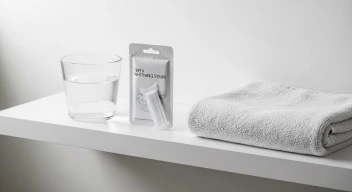
Whitening strips are one of the most well-researched and widely used at-home whitening methods available. When used correctly, they can produce noticeable results—often 2-4 shades lighter—over a 2-4 week period.
How they work:
Whitening strips are thin, flexible plastic strips coated with a gel containing hydrogen peroxide, typically at concentrations between 3-10% for over-the-counter products. You apply them directly to the tooth surface where the peroxide gel breaks down chromogens (pigmented molecules) in stains through an oxidation process, lightening the color of both extrinsic stains and, to some degree, the dentin beneath.
A clinical review published in the National Library of Medicine found that hydrogen peroxide whitening strips were effective at producing clinically meaningful tooth whitening with an acceptable safety profile when used as directed. The review noted that the degree of whitening was dose-dependent—higher concentrations and longer contact times produced greater whitening but also increased sensitivity risk.
Who they work best for:
Whitening strips are suitable for moderate extrinsic staining, people who want more noticeable results than toothpaste alone provides, and those without significant sensitivity issues, dental restorations on front teeth, or active gum disease.
What to expect:
Most whitening strip systems require 30 minutes of daily application for 14-21 days. Results typically become visible within the first week and continue to develop after the treatment period ends as the oxidation process completes. Results generally last 3-6 months with good maintenance habits (limiting staining foods and drinks, using whitening toothpaste).
Safety notes:
The most common side effect of whitening strips is temporary tooth sensitivity and mild gum irritation. To minimize sensitivity, choose strips with the lowest effective peroxide concentration (3-6% hydrogen peroxide is sufficient for most people), use every other day rather than daily if sensitivity occurs, apply sensitivity toothpaste containing potassium nitrate or stannous fluoride in the days before and during whitening, and never sleep with whitening strips on.
Avoid getting peroxide gel on your gums by carefully trimming strips to fit your tooth surface, or choosing newer no-slip strip formulas that conform more precisely to tooth shape.
Method 3: Custom-Fit Whitening Trays with Dentist-Prescribed Gel
If you want professional-level results with the convenience of whitening from home, custom-fit whitening trays combined with professional-grade whitening gel represent the gold standard of at-home teeth whitening.
How they work:
Your dentist takes impressions of your teeth and creates custom-molded trays that fit your exact dental arch. These trays are filled with a carbamide peroxide or hydrogen peroxide gel—typically at concentrations of 10-22% carbamide peroxide or 3-10% hydrogen peroxide—and worn for specified periods (usually 30-60 minutes daily or overnight, depending on the concentration).
The custom fit is what makes this method superior to over-the-counter trays. It ensures even gel distribution across all tooth surfaces, minimizes gel contact with gums, and holds the whitening agent in consistent contact with your teeth for predictable results.
According to research published in Operative Dentistry, custom tray whitening with 10% carbamide peroxide has been shown to produce significant whitening results over 2-6 weeks, with results lasting 1-3 years with periodic touch-ups. This method is considered the benchmark against which other at-home whitening methods are measured.
Who it works best for:
Custom tray whitening is ideal for people with moderate to significant extrinsic staining, those who want the most reliable and even whitening results from home treatment, people committed to a multi-week treatment course, and those who want the oversight of a dental professional while whitening at home.
What to expect:
Most people notice meaningful whitening within the first week. Full results develop over 2-4 weeks of consistent use. Because this method uses professionally formulated gel at appropriate concentrations, results tend to be more even and dramatic than over-the-counter strips.
Safety notes:
Even with custom trays, sensitivity can occur. Using lower concentrations (10% carbamide peroxide) worn overnight is often better tolerated than higher concentrations worn for shorter periods. Your dentist can guide you on the right concentration and schedule for your sensitivity level and goals.
This method requires an initial dental visit for impressions, but many dentists offer take-home tray kits at a reasonable cost—significantly less than in-office whitening treatments. The trays themselves last for years and can be reused with new gel as needed for maintenance.
Method 4: Baking Soda Paste (Used Correctly and Sparingly)
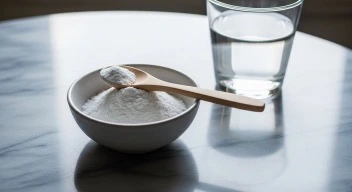
Baking soda has been used as a tooth-cleaning and whitening agent for generations—and there’s legitimate science supporting its gentle effectiveness when used appropriately.
How it works:
Baking soda (sodium bicarbonate) is a mild abrasive that mechanically removes surface stains from enamel through gentle polishing action. It also creates an alkaline environment in the mouth that inhibits the growth of acid-producing bacteria associated with tooth decay and staining. Unlike many home remedies that damage enamel in the process of whitening, baking soda has an RDA value of around 7—one of the lowest of any abrasive agent used in dental care, making it exceptionally gentle on enamel.
A systematic review published in the Journal of the American Dental Association concluded that baking soda-based dentifrices were significantly more effective at removing extrinsic stains than non-baking soda toothpastes, while being safe for enamel and soft tissues. The review also noted anti-plaque and anti-gingivitis benefits beyond whitening.
How to use it safely:
Mix a small amount of baking soda (about half a teaspoon) with enough water to form a paste. Apply to your toothbrush and brush gently for 2 minutes. Rinse thoroughly and follow with your regular fluoride or hydroxyapatite toothpaste.
Use this method no more than 2-3 times per week. Daily use over extended periods, while unlikely to cause enamel damage given its low abrasivity, can potentially affect the protective pellicle on your teeth if used excessively.
Who it works best for:
Baking soda is suitable for people with mild surface staining, those looking for a low-cost, accessible whitening option, people sensitive to peroxide-based products, and as a supplementary method alongside other whitening approaches.
What to expect:
Results are modest and gradual—think surface stain removal and brightness improvement rather than dramatic shade change. It’s excellent for day-to-day maintenance and preventing new stain buildup, particularly if you’re a coffee or tea drinker.
Important cautions:
Don’t add lemon juice, apple cider vinegar, or other acidic ingredients to baking soda paste in an attempt to enhance results. These acids erode enamel and their harm far outweighs any whitening benefit. Plain baking soda with water is the safe, effective version.
Baking soda does not contain fluoride, so always follow up with a fluoride or hydroxyapatite toothpaste to maintain enamel remineralization protection.
Method 5: Oil Pulling as a Complementary Oral Wellness Practice
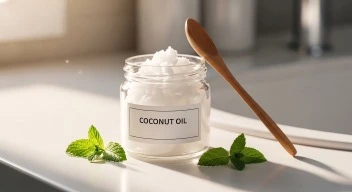
Oil pulling is an ancient Ayurvedic practice that has gained renewed interest in the wellness community—and while it’s not a whitening treatment in the traditional sense, it supports oral health in ways that contribute to a cleaner, brighter smile over time.
How it works:
Oil pulling involves swishing a tablespoon of edible oil (traditionally sesame oil, though coconut oil is most popular today) around your mouth for 10-20 minutes, then spitting it out. The process is thought to work through two mechanisms: mechanical cleansing as the oil moves between and around teeth, and the antimicrobial properties of certain oils (particularly lauric acid in coconut oil) that reduce harmful oral bacteria.
A randomized controlled trial published in the Journal of Traditional and Complementary Medicine found that oil pulling with coconut oil significantly reduced Streptococcus mutans (a primary cavity-causing bacterium) and plaque levels after 30 days, with effects comparable to chlorhexidine mouthwash. Reduced plaque and bacteria contribute to a cleaner oral environment where stains are less likely to adhere and accumulate.
It’s important to be clear about what oil pulling does and doesn’t do: it is not a bleaching agent and won’t change the intrinsic shade of your teeth. However, by reducing plaque buildup and surface bacteria, it creates an environment where surface stains develop more slowly—and some people notice a cleaner, fresher appearance to their smile with consistent use.
How to use it:
Place one tablespoon of coconut or sesame oil in your mouth. Swish gently (not vigorously—this should be relaxing, not a workout for your jaw) for 10-20 minutes. Spit into a trash can rather than the sink to avoid clogging drains with solidified oil. Rinse your mouth thoroughly with water, then brush your teeth as normal.
Morning practice before eating or drinking is traditional and convenient. Starting with 5 minutes and gradually building to 10-20 minutes makes the practice easier to sustain.
Who it works best for:
Oil pulling is an excellent complementary practice for anyone interested in holistic oral wellness, people who want to support gum health alongside whitening, those looking for a gentle daily oral hygiene enhancement, and people who appreciate natural, traditional wellness approaches.
What to expect:
Oil pulling is a long-game practice. Consistent daily or near-daily use over 4-8 weeks tends to produce noticeable improvements in breath freshness, gum health, and the overall cleanliness of teeth. Combined with one of the more direct whitening methods above, it supports the oral environment that allows whitening results to last longer.
Safety notes:
Always spit oil pulling oil into a bin, never swallow it—the oil collects bacteria and debris during the process. Don’t use oil pulling as a replacement for brushing, flossing, or regular dental checkups. It works best as a complement to, not a substitute for, standard oral hygiene.
Methods to Avoid: What Doesn’t Work (and What Can Harm You)
With so much information circulating online about DIY teeth whitening, it’s worth specifically addressing approaches that lack evidence or carry real risks.
Lemon juice or apple cider vinegar on teeth: Both are highly acidic and erode tooth enamel. While they may produce a temporary whitening effect by stripping the surface layer, the damage to enamel is irreversible. Thinned enamel leads to increased sensitivity, yellowing (paradoxically, as more yellow dentin shows through), and greater cavity risk.
Activated charcoal toothpaste: Despite its social media popularity, the American Dental Association does not recommend activated charcoal for teeth whitening, citing insufficient evidence of effectiveness and concerns about its abrasivity potentially wearing enamel with regular use. Most activated charcoal products do not contain fluoride, further reducing their suitability as a regular toothpaste.
Strawberries and salt scrubs: A popular DIY remedy, this combination has been studied and found to produce no meaningful whitening beyond what normal brushing achieves. The malic acid in strawberries may temporarily remove surface debris, but it also softens enamel transiently. There is no evidence this method produces lasting whitening.
High-concentration peroxide products from unregulated sources: Products sold online without clear regulation or dental professional oversight can contain peroxide concentrations far higher than is safe for home use. Professional in-office treatments use high concentrations under carefully controlled conditions with gum protection. Using these concentrations at home unsupervised significantly increases the risk of severe sensitivity, gum damage, and uneven results.
Building Your At-Home Teeth Whitening Routine
The most effective approach to teeth whitening at home isn’t one single method—it’s a thoughtfully layered routine that works gently and consistently over time.
Here’s how to build a sustainable whitening routine based on your goals and starting point:
For maintenance and prevention (mild staining or maintaining previous whitening results): Use a hydroxyapatite or baking soda-based whitening toothpaste twice daily. Incorporate oil pulling 3-5 mornings per week. Limit staining foods and drinks, or rinse with water immediately after consuming them.
For moderate extrinsic staining (coffee, tea, wine drinkers): Start with a 2-3 week whitening strip course (3-6% hydrogen peroxide, used every other day). Maintain with whitening toothpaste and periodic baking soda treatments 2-3 times per week. Add oil pulling as a daily oral wellness practice.
For significant staining or those wanting the best results: Invest in custom whitening trays from your dentist with professional gel. Follow with a daily hydroxyapatite toothpaste for maintenance. Use oil pulling regularly to support gum health and maintain results.
Regardless of which method you choose:
Maintain excellent baseline oral hygiene—brush twice daily, floss daily, and use a water flosser if accessible. These habits prevent new stains and create a clean surface where whitening treatments work more effectively.
Rinse your mouth with water immediately after consuming coffee, tea, red wine, or highly pigmented foods. This doesn’t eliminate staining risk but meaningfully reduces how much pigment adheres to tooth surfaces.
Use a straw for cold staining beverages when convenient. This reduces direct contact between pigmented liquids and your front teeth.
Wait at least 30 minutes after whitening treatments before consuming staining foods or drinks—your tooth surface is temporarily more porous after whitening and more susceptible to restaining during this window.
Managing Sensitivity During Teeth Whitening
Tooth sensitivity during whitening is common, manageable, and temporary—but it’s important to address it rather than push through discomfort.
Sensitivity occurs because peroxide molecules pass through enamel and temporarily affect the nerve endings within dentin. This is a normal physiological response, not a sign of damage, and it typically resolves within 24-48 hours of each whitening session.
Strategies to reduce sensitivity:
Use a desensitizing toothpaste containing potassium nitrate (like Sensodyne) for 1-2 weeks before beginning peroxide-based whitening and continue throughout the treatment period. Potassium nitrate calms nerve activity in teeth and significantly reduces sensitivity.
Choose lower peroxide concentrations and longer wear times rather than higher concentrations for shorter periods. The total amount of whitening achieved tends to be similar, but sensitivity is significantly lower with lower concentrations.
Take breaks between whitening sessions. If sensitivity is significant, extending treatment over a longer period with every-other-day use is more comfortable and equally effective.
Apply fluoride or hydroxyapatite gel to your teeth after whitening sessions. This helps remineralize enamel and reduces post-whitening sensitivity.
According to the American Dental Association, sensitivity from properly formulated at-home whitening products is temporary and does not indicate permanent damage to teeth or nerves. If sensitivity is severe, persists beyond a few days after treatment, or involves pain rather than mild discomfort, discontinue treatment and consult your dentist.
The Connection Between Oral Health and Overall Glow
Your smile is an integral part of your total glow—and it’s worth noting that oral health extends far beyond aesthetics. The state of your mouth genuinely reflects and influences your overall health.
Research from the Mayo Clinic highlights the well-established connections between oral health and systemic conditions including cardiovascular disease, diabetes management, and inflammatory conditions throughout the body. Keeping your gums healthy, reducing harmful oral bacteria, and maintaining strong enamel are investments in your whole body—not just your appearance.
This is why the holistic approach to oral wellness that TotalGlowHub encourages—combining gentle whitening with excellent daily hygiene, nourishing nutrition, and practices like oil pulling—serves you far better than a purely cosmetic focus.
As we explored in our morning routine for confidence article, incorporating a mindful skincare and oral care routine into your morning isn’t just about appearance—it’s about demonstrating care and respect for yourself that radiates outward in genuine confidence.
The foods that support your hormonal balance and skin glow also support your oral health. The hormone-balancing foods we highlighted—particularly foods rich in calcium, vitamin D, and anti-inflammatory compounds—directly support enamel strength, gum health, and the overall resilience of your oral tissues.
A confident smile is part of your total glow. And your total glow comes from nourishing yourself thoughtfully, consistently, and with genuine care.
What to Expect: Realistic Results from At-Home Whitening
It’s important to set honest expectations before beginning any whitening journey.
At-home whitening can produce meaningful, visible results—but “whiter teeth” exists on a spectrum, and what’s achievable varies based on your starting shade, the type of staining you have, your enamel health, and the method you choose.
Most people with typical extrinsic staining can expect to achieve 2-5 shades lighter with consistent use of whitening strips or custom trays over 2-4 weeks. Whitening toothpaste and baking soda produce more modest improvements—typically 1-2 shades over several weeks to months of consistent use.
Intrinsic staining, gray tones from tetracycline, and very dark discoloration generally respond minimally to at-home whitening. These situations benefit from professional evaluation and may require in-office treatments, veneers, or other cosmetic dental approaches.
Results from at-home whitening typically last 3-12 months depending on your lifestyle habits (coffee, tea, wine consumption and tobacco use are the biggest factors). Maintenance with whitening toothpaste and periodic touch-up treatments extends results significantly.
Your natural tooth color also has an upper limit—whitening can remove stains, but it cannot make your teeth whiter than their natural shade. Genetics determine the underlying color of your dentin, which influences how bright your smile can ultimately appear.
When to See a Dentist Before Whitening
While at-home whitening is safe for most people, certain situations warrant a conversation with your dentist first.
Schedule a dental consultation before beginning whitening if you have untreated cavities or active gum disease (whitening agents can penetrate decayed areas and cause significant pain), dental restorations like crowns, veneers, or bonding on your front teeth (these won’t whiten and may end up mismatched), significant tooth sensitivity or pain with temperature changes, visible enamel erosion or very translucent teeth at the edges, or if you’re pregnant or nursing (most dentists recommend postponing elective whitening during this time).
A professional cleaning before whitening is also worthwhile—removing existing plaque and tartar buildup creates a clean surface that allows whitening products to work more evenly and effectively.
The Bottom Line
Teeth whitening at home is genuinely achievable, safe, and effective when you choose the right methods, use them correctly, and maintain realistic expectations. The five methods covered in this guide—hydroxyapatite or peroxide whitening toothpaste, whitening strips, custom professional trays, baking soda paste, and oil pulling—each offer meaningful benefits depending on your goals, budget, and sensitivity level.
The safest and most sustainable approach combines gentle daily habits (whitening toothpaste, oil pulling, excellent oral hygiene) with periodic targeted treatment (strips or professional trays) when you want more noticeable brightening. This layered strategy protects your enamel, supports your gum health, and produces results that last.
Your smile is a vital part of how you feel about yourself. Caring for it doesn’t require harsh treatments or unrealistic expectations—just consistent, gentle attention and the right information to make confident choices.
A brighter smile, taken care of thoughtfully, is one of the most accessible and genuinely joyful parts of your total glow.
Our Authority Sources
1. American Dental Association — Whitening
2. American Dental Association — Charcoal and Charcoal-Based Dentifrices
3. Journal of the American Dental Association — Baking Soda Dentifrices and Oral Health
4. Journal of the American Dental Association — Whitening Strips Clinical Review
5. Operative Dentistry, Effect of new bleaching gel
5. NIH — Oil Pulling and Oral Health Study
6. Mayo Clinic — Oral Health: A Window to Your Overall Health
7. PubMed — Nano-Hydroxyapatite Toothpaste and Enamel Remineralization
8. American Academy of Cosmetic Dentistry — Whitening