
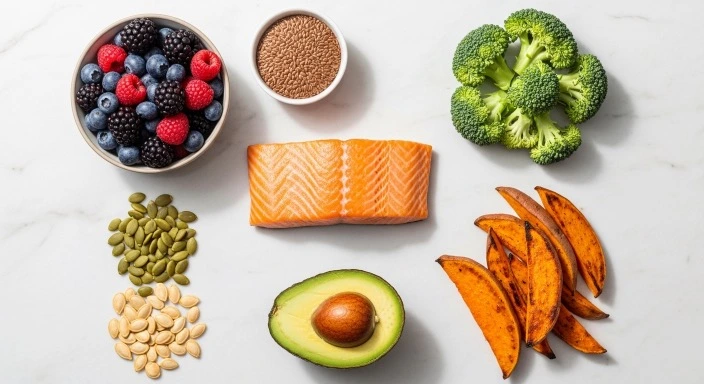
Hormone-balancing foods for glowing skin
Have you ever noticed your skin acting up right before your period? Or breaking out during times of stress? You’re not imagining it—your hormones and your skin are deeply connected.
Hormonal fluctuations affect everything from oil production to inflammation levels in your skin. While topical products can help manage symptoms, the real transformation often starts from within. The foods you eat directly influence your hormone balance, which in turn shapes how your skin looks and feels.
This isn’t about restrictive diets or cutting out entire food groups. It’s about adding nutrient-dense foods that naturally support your endocrine system and give your skin what it needs to thrive. Dermatologists and nutritionists increasingly recognize that hormone-balancing foods can be just as important as your skincare routine when it comes to achieving that natural glow.
In this guide, you’ll discover seven science-backed foods that help regulate hormones and improve skin health—along with practical ways to incorporate them into your daily meals.
Understanding the Hormone-Skin Connection
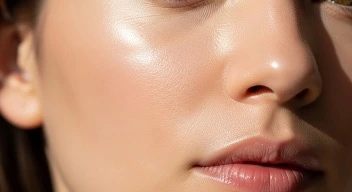
Before we dive into specific foods, it’s helpful to understand how hormones affect your skin.
Your skin is influenced by several key hormones: estrogen, progesterone, testosterone, cortisol (the stress hormone), and insulin. When these hormones are in balance, your skin typically looks clear, plump, and radiant. When they’re out of balance, you might experience acne, dryness, excess oil, inflammation, or premature aging.
Common hormonal skin issues include:
Hormonal acne typically appears along the jawline, chin, and lower cheeks. It often flares up cyclically, following your menstrual cycle. This happens because fluctuating estrogen and progesterone levels affect sebum production and skin cell turnover.
Excess androgens (male hormones like testosterone) can trigger overactive oil glands, leading to clogged pores and breakouts. Elevated cortisol from chronic stress can increase inflammation throughout your body, including your skin. High insulin levels from blood sugar spikes can worsen acne and accelerate aging.
The good news? Your diet can influence all of these hormonal pathways. Certain foods contain compounds that help your body produce, metabolize, and eliminate hormones more effectively. They also provide the raw materials your skin needs to repair itself and maintain its protective barrier.
According to research published in the Journal of Clinical and Aesthetic Dermatology, dietary interventions that balance blood sugar and reduce inflammation can significantly improve acne and other hormone-related skin conditions. A 2024 study in Dermatology and Therapy found that nutrient-dense, anti-inflammatory diets improved skin barrier function and reduced hormonal breakouts in over 70% of participants.
Now, let’s explore the seven foods that can make a real difference.
1. Wild-Caught Salmon (and Other Fatty Fish)
Wild-caught salmon is one of the most powerful hormone-balancing foods you can eat. It’s rich in omega-3 fatty acids—specifically EPA and DHA—which have potent anti-inflammatory properties.
Why it helps your hormones and skin:
Omega-3s help regulate the production of prostaglandins, hormone-like substances that control inflammation in your body. By reducing inflammation, omega-3s can decrease the severity of hormonal acne and calm irritated skin.
These healthy fats also support the production of sex hormones and help your body metabolize them properly. Research shows that omega-3 supplementation can reduce testosterone levels in women with polycystic ovary syndrome (PCOS), a common hormonal condition that causes acne and other skin issues.
Salmon is also an excellent source of vitamin D, which acts as a hormone in your body and plays a crucial role in skin cell growth and repair. Many people are deficient in vitamin D, especially during winter months, and this deficiency has been linked to inflammatory skin conditions.
How to incorporate it:
Aim for two to three servings of fatty fish per week. A serving is about 3-4 ounces (roughly the size of your palm). You can also get omega-3s from sardines, mackerel, anchovies, and herring.
Try baking salmon with lemon and herbs, adding canned sardines to salads, or making a simple fish taco bowl with plenty of vegetables. If you don’t eat fish, consider an algae-based omega-3 supplement after consulting with your healthcare provider.
2. Cruciferous Vegetables (Broccoli, Cauliflower, Brussels Sprouts)
Cruciferous vegetables are hormone-balancing powerhouses. They contain compounds called indole-3-carbinol (I3C) and diindolylmethane (DIM) that help your body metabolize estrogen more efficiently.
Why they help your hormones and skin:
Your liver processes and eliminates excess hormones, including estrogen. When estrogen isn’t metabolized properly, it can accumulate and contribute to hormonal imbalances, which often show up as acne, especially around the chin and jawline.
I3C and DIM support healthy estrogen metabolism by promoting the conversion of estrogen into beneficial metabolites rather than harmful ones. A 2023 review in Nutrients found that regular consumption of cruciferous vegetables was associated with improved hormonal balance and reduced inflammatory markers in women of reproductive age.
These vegetables are also packed with fiber, which binds to excess hormones in your digestive tract and helps eliminate them from your body. Fiber also supports your gut microbiome, and a healthy gut is essential for hormone regulation and clear skin.
How to incorporate them:
Aim for at least one serving of cruciferous vegetables daily. Lightly steaming or roasting them helps preserve their beneficial compounds while making them easier to digest.
Add roasted broccoli to grain bowls, toss shredded Brussels sprouts into salads, blend cauliflower into smoothies (you won’t taste it!), or make cauliflower rice as a nutritious base for stir-fries. If raw cruciferous vegetables bother your digestion, cooking them breaks down some of the fibers that can cause bloating.
3. Avocados
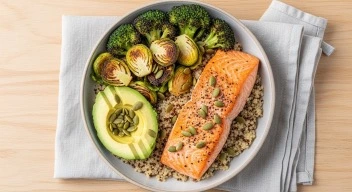
Avocados are loaded with healthy monounsaturated fats that support hormone production and skin health. They’re also rich in beta-sitosterol, a plant compound that helps balance cortisol levels.
Why they help your hormones and skin:
Your body needs healthy fats to produce hormones. Estrogen, progesterone, and testosterone are all made from cholesterol, so eating enough healthy fats ensures your body has the building blocks it needs for optimal hormone production.
Chronic stress elevates cortisol, which can trigger breakouts and accelerate skin aging. Beta-sitosterol helps modulate your stress response, potentially reducing cortisol-related skin issues.
Avocados are also packed with vitamin E, a powerful antioxidant that protects your skin from oxidative stress and supports skin barrier function. The combination of healthy fats and vitamin E helps your skin stay hydrated and supple from the inside out.
A 2025 study in the Journal of Nutritional Biochemistry found that daily avocado consumption improved skin elasticity and hydration in women over 12 weeks, likely due to the combination of monounsaturated fats, vitamin E, and carotenoids.
How to incorporate them:
Half an avocado daily provides a good dose of healthy fats and nutrients. Add sliced avocado to toast, blend it into smoothies for creaminess, use it as a base for salad dressings, or simply enjoy it with a sprinkle of sea salt and lemon juice.
The fats in avocados also help your body absorb fat-soluble vitamins (A, D, E, and K) from other foods, making them a smart addition to vegetable-rich meals.
4. Pumpkin Seeds
These small but mighty seeds are an excellent source of zinc, magnesium, and omega-3 fatty acids—all crucial for hormone balance and skin health.
Why they help your hormones and skin:
Zinc plays a vital role in hormone production and regulation. It helps convert testosterone into its less potent form, reducing the likelihood of hormonal acne. Zinc also has anti-inflammatory properties and supports skin healing, making it particularly beneficial for acne-prone skin.
Studies show that people with acne often have lower zinc levels than those with clear skin. A 2024 meta-analysis in Dermatologic Therapy confirmed that zinc supplementation significantly improved inflammatory acne, with effects comparable to some conventional acne treatments.
Magnesium helps regulate cortisol and supports healthy insulin function, both of which impact your skin. Many people don’t get enough magnesium through diet alone, and deficiency can worsen hormonal imbalances.
Pumpkin seeds also contain lignans, plant compounds that help balance estrogen levels and reduce inflammation throughout the body.
How to incorporate them:
A small handful (about 1-2 tablespoons) of pumpkin seeds daily provides substantial benefits. Sprinkle them on salads, yogurt, or oatmeal. Blend them into pesto or energy balls. You can also enjoy them roasted with a touch of sea salt as a satisfying snack.
For better absorption of zinc, soak raw pumpkin seeds in water for a few hours before eating them. This reduces phytic acid, a compound that can bind to minerals and make them harder to absorb.
5. Berries (Especially Blueberries and Strawberries)
Berries are packed with antioxidants, fiber, and vitamin C—all of which support hormone balance and skin health.
Why they help your hormones and skin:
The antioxidants in berries, particularly anthocyanins, help reduce inflammation and protect your cells from oxidative stress. Chronic inflammation disrupts hormone signaling and accelerates skin aging, so eating anti-inflammatory foods like berries can help keep your hormones and skin in balance.
Berries have a relatively low glycemic index, meaning they don’t cause rapid spikes in blood sugar. Stable blood sugar is crucial for hormone balance because insulin spikes can increase androgen production, leading to excess oil and acne.
The fiber in berries also slows sugar absorption and supports gut health. Your gut microbiome plays a significant role in hormone metabolism—beneficial bacteria help break down and eliminate excess estrogen, preventing hormonal buildup that can trigger breakouts.
Vitamin C is essential for collagen production, which keeps your skin firm and resilient. It also helps your body manage stress by supporting adrenal function, where cortisol is produced.
How to incorporate them:
Aim for at least one cup of mixed berries daily. Add them to smoothies, oatmeal, or yogurt. Enjoy them as a snack with a handful of nuts. Freeze them for a refreshing treat, or toss them into salads for a burst of sweetness and nutrition.
Frozen berries are just as nutritious as fresh ones and often more affordable. They’re picked at peak ripeness and flash-frozen, preserving their antioxidant content.
6. Flaxseeds
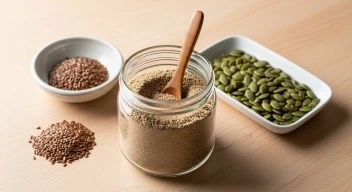
Flaxseeds are a rich source of lignans, omega-3 fatty acids, and fiber—a triple threat for hormone balance.
Why they help your hormones and skin:
Lignans are phytoestrogens, plant compounds that can help balance estrogen levels in your body. When estrogen is too high, lignans bind to estrogen receptors and reduce its effects. When estrogen is too low, they provide mild estrogenic activity, helping maintain balance.
This balancing act makes flaxseeds particularly helpful for managing hormonal fluctuations related to menstrual cycles and perimenopause. Research published in Clinical Endocrinology found that flaxseed consumption helped regulate menstrual cycles and reduce androgen levels in women with PCOS.
The omega-3 fatty acids in flaxseeds (specifically alpha-linolenic acid or ALA) provide anti-inflammatory benefits similar to those in fish. While your body must convert ALA to the more active forms EPA and DHA, regular flaxseed consumption still supports healthy inflammatory responses.
Flaxseeds are also extremely high in fiber, which supports estrogen elimination through the digestive system and promotes a healthy gut microbiome.
How to incorporate them:
Use ground flaxseeds rather than whole ones—your body can’t break down whole flaxseeds to access their nutrients. Aim for 1-2 tablespoons of ground flaxseed daily.
Add ground flaxseed to smoothies, oatmeal, or yogurt. Mix it into baked goods or energy balls. You can also use it as an egg replacement in vegan baking (1 tablespoon ground flaxseed + 3 tablespoons water = 1 egg).
Store ground flaxseed in the refrigerator or freezer to prevent the oils from going rancid. You can also buy whole flaxseeds and grind them fresh in a coffee grinder.
7. Sweet Potatoes
Sweet potatoes are an excellent source of complex carbohydrates, fiber, beta-carotene, and vitamin A—all essential for hormone production and skin health.
Why they help your hormones and skin:
Your body needs adequate carbohydrates to produce sufficient levels of thyroid hormones, which regulate metabolism and influence every cell in your body, including skin cells. Very low-carb diets can suppress thyroid function and disrupt other hormones, potentially worsening skin issues.
Sweet potatoes provide steady, sustained energy without causing the blood sugar spikes associated with refined carbohydrates. This helps keep insulin levels stable, reducing the likelihood of hormonal acne.
The beta-carotene in sweet potatoes converts to vitamin A in your body. Vitamin A is crucial for skin cell turnover and repair. It helps prevent clogged pores, supports skin barrier function, and promotes a healthy, even complexion. Dermatologists often prescribe vitamin A derivatives (retinoids) for acne and anti-aging, but getting vitamin A from food provides gentle, consistent support.
The fiber in sweet potatoes also supports gut health and hormone elimination, while their anti-inflammatory properties help calm skin from the inside out.
How to incorporate them:
Include sweet potatoes in your meals several times per week. Bake them whole and top with avocado and greens for a balanced meal. Cube and roast them with olive oil and herbs. Mash them as a side dish. Add them to soups and stews. Slice them into rounds and bake as “toasts” topped with nut butter or hummus.
Eating sweet potatoes with a source of healthy fat (like avocado, olive oil, or nuts) enhances the absorption of beta-carotene, making this combination especially beneficial for your skin.
How to Build a Hormone-Balancing Plate
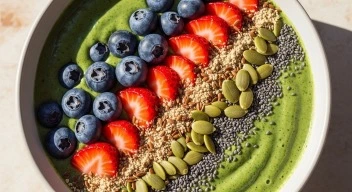
Now that you know which foods support hormone balance and glowing skin, let’s talk about how to put them together in practical, sustainable ways.
You don’t need to eat all seven foods every single day. Instead, focus on building meals that include a variety of these nutrient-dense options throughout your week.
A simple template for hormone-balancing meals:
Start with a foundation of colorful vegetables, including at least one cruciferous option (broccoli, cauliflower, Brussels sprouts) and plenty of leafy greens. Add a palm-sized serving of protein—fatty fish like salmon two to three times per week, with other clean protein sources on other days.
Include a serving of healthy fats from avocado, nuts, seeds, or olive oil. These fats support hormone production and help you absorb fat-soluble vitamins. Add a serving of complex carbohydrates like sweet potato, quinoa, or brown rice to support thyroid function and sustained energy.
Sprinkle seeds (pumpkin or flax) on top for extra minerals and beneficial fats. Enjoy berries as a snack or dessert to satisfy your sweet tooth while providing antioxidants and fiber.
Sample day of hormone-balancing eating:
Breakfast: Smoothie with berries, ground flaxseed, spinach, and almond butter, or oatmeal topped with sliced strawberries, pumpkin seeds, and a drizzle of almond butter.
Lunch: Salad with mixed greens, roasted broccoli, avocado, pumpkin seeds, and grilled salmon with olive oil and lemon dressing, or grain bowl with quinoa, roasted sweet potato, sautéed Brussels sprouts, and tahini dressing.
Snack: Apple slices with almond butter and a sprinkle of ground flaxseed, or a handful of berries with raw nuts.
Dinner: Baked salmon with roasted cauliflower and a side of mashed sweet potato with olive oil, or stir-fry with plenty of vegetables, served over cauliflower rice with avocado on the side.
The key is consistency over perfection. You’ll see the most benefits when you regularly include these hormone-balancing foods rather than eating them sporadically.
Beyond Food: Supporting Habits for Hormonal Skin Health
While food is foundational, a few lifestyle habits can amplify the benefits of your hormone-balancing diet.
Stay hydrated. Water helps flush toxins from your body, supports digestion, and keeps your skin plump and hydrated. Aim for at least eight glasses daily, more if you’re active or live in a dry climate.
Manage stress. Chronic stress elevates cortisol, which disrupts other hormones and triggers inflammation. Find stress-management practices that work for you—whether that’s meditation, gentle yoga, walking in nature, journaling, or simply taking regular breaks throughout your day.
Prioritize sleep. Your body does most of its hormone regulation and cellular repair while you sleep. Aim for seven to nine hours of quality sleep each night. Keep your bedroom cool and dark, establish a calming bedtime routine, and try to maintain consistent sleep and wake times.
Move your body regularly. Exercise helps regulate insulin, supports healthy hormone metabolism, and reduces inflammation. You don’t need intense workouts—gentle movement like walking, yoga, or swimming can be just as beneficial for hormone balance, sometimes more so than high-intensity exercise, which can stress your system if overdone.
Support your gut health. Your gut microbiome influences hormone metabolism, inflammation levels, and even your skin’s appearance. Eat plenty of fiber, include fermented foods like yogurt or sauerkraut, and consider a quality probiotic if needed.
Limit hormone disruptors. Reduce exposure to endocrine-disrupting chemicals found in some plastics, personal care products, and pesticides. Choose organic produce when possible, especially for the “Dirty Dozen” foods that tend to have higher pesticide residues. Use glass or stainless steel containers instead of plastic. Read ingredient labels on skincare and cosmetics, and choose cleaner options when you can.
These habits work synergistically with your hormone-balancing diet to create an environment where your hormones—and your skin—can thrive.
What to Expect: Realistic Timeline and Results
When you start incorporating these hormone-balancing foods into your diet, it’s natural to wonder when you’ll see results.
The honest answer? It takes time. Your skin reflects your overall health, and your overall health reflects consistent habits built over weeks and months, not days.
Here’s a general timeline:
Weeks 1-2: You might notice improved digestion and stable energy levels as your blood sugar begins to stabilize and your gut health improves. Some people report feeling less bloated and experiencing better sleep.
Weeks 3-4: Your skin may start to look brighter and feel more hydrated. You might notice reduced inflammation and fewer new breakouts, especially if you typically experience hormonal acne. This is when the anti-inflammatory effects of omega-3s and antioxidants start to become visible.
Months 2-3: Existing acne and skin issues continue to improve as your hormones become more balanced. Your skin tone may appear more even, and your complexion might look more radiant overall. This is when many people notice that their skin feels softer and more resilient.
Month 3 and beyond: Your skin’s natural glow becomes more consistent. Hormonal fluctuations may still occur (especially around your menstrual cycle), but they’re typically less severe. Your skin barrier is stronger, and you might find you need fewer topical products to maintain clear, healthy skin.
Keep in mind that everyone’s timeline is different. Factors like your starting point, the severity of hormonal imbalances, stress levels, sleep quality, and overall lifestyle all influence how quickly you see results.
Be patient with your body. Hormonal healing isn’t linear, and you might experience some ups and downs as your system recalibrates. The key is consistency—these foods work best when they become regular parts of your diet, not occasional additions.
When to Seek Professional Support
While dietary changes can make a significant difference for most people, sometimes hormonal imbalances require additional support.
Consider consulting a healthcare provider if you experience:
Severe or cystic acne that doesn’t improve with dietary changes and topical treatments. Irregular periods, very heavy bleeding, or significant menstrual pain. Sudden changes in your skin, hair growth patterns, or weight. Persistent fatigue, mood changes, or other symptoms that interfere with daily life. Signs of PCOS, thyroid disorders, or other hormonal conditions.
A dermatologist can help identify underlying skin conditions and recommend appropriate treatments. An endocrinologist specializes in hormone disorders and can run comprehensive hormone panels to identify specific imbalances. A registered dietitian can create a personalized nutrition plan tailored to your unique needs and health goals.
These professionals can work together to address hormonal issues from multiple angles, often combining dietary changes with targeted supplements, medications, or other therapies when necessary.
There’s no shame in seeking help. In fact, being proactive about your health is one of the most caring things you can do for yourself.
The Bottom Line
Achieving hormone balance and glowing skin isn’t about perfection or following rigid rules. It’s about consistently nourishing your body with foods that support your endocrine system and provide the nutrients your skin needs to thrive.
These seven hormone-balancing foods—wild-caught salmon, cruciferous vegetables, avocados, pumpkin seeds, berries, flaxseeds, and sweet potatoes—offer a powerful combination of healthy fats, fiber, vitamins, minerals, and antioxidants that work together to regulate hormones and promote radiant skin.
The beauty of this approach is that it’s sustainable. You’re not restricting or depriving yourself. You’re adding nutrient-dense foods that taste good and make you feel good, creating a positive cycle of health that reflects outward through your skin.
Start where you are. Pick one or two foods from this list and find simple ways to include them in your meals this week. As those become habits, add another. Small, consistent changes compound over time into meaningful, lasting results.
Your skin is a reflection of what’s happening inside your body. When you nourish yourself from within, that inner glow naturally shines through.